How AI Is Reshaping the Beer Industry
How AI Is Reshaping the Beer Industry
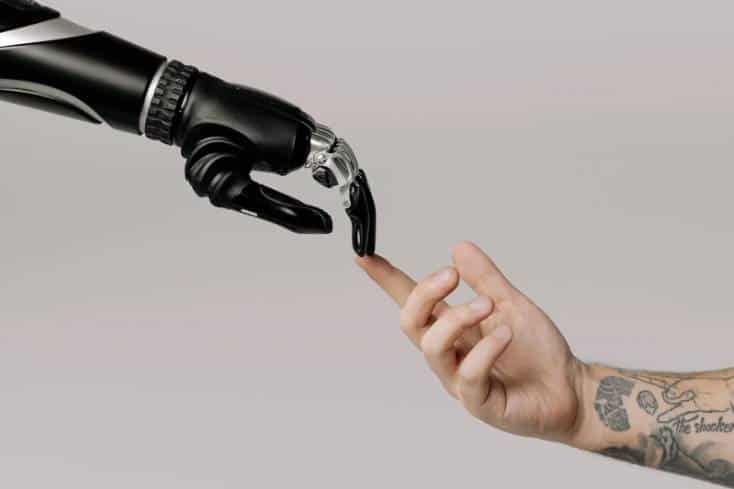
Not long ago, brewing beer was viewed as equal parts art, instinct, and tradition. The image of a brewer hovering over a mash tun, relying on experience and taste buds, still holds true in many taprooms. But behind the scenes, artificial intelligence is quietly reshaping how beer is made, marketed, and delivered.
From recipe development to supply chain logistics, AI is becoming another tool in the brewer’s kit — less about replacing craftsmanship and more about sharpening it.
Brewing Smarter, Not Just Harder
Modern breweries generate mountains of data. Temperature curves, fermentation times, ingredient sourcing, packaging speeds — it’s all measurable. AI systems can sift through that data far faster than any human, spotting patterns that might otherwise go unnoticed.
For large breweries especially, predictive analytics can flag inconsistencies before they become costly mistakes. If fermentation temperatures drift slightly or yeast performance shifts, AI-powered monitoring systems can alert brewers in real time. The result? Fewer off-flavors, less waste, and more consistent batches.
Even smaller craft breweries are starting to tap into cloud-based tools that help optimize production schedules or predict demand based on historical sales and seasonal trends.
Recipe Development in the Age of Algorithms
One of the more headline-grabbing uses of AI in beer has been recipe creation. Several major brands have experimented with AI-driven formulations, feeding algorithms thousands of data points — consumer reviews, flavor compound analyses, ingredient combinations — to generate new beer concepts.
While the brewer still makes the final call, AI can suggest unexpected hop pairings or fine-tune grain bills to hit a precise flavor profile. Instead of replacing creativity, it can act as a collaborative partner, offering ideas that might not emerge through traditional experimentation alone.
For an industry built on innovation — think hazy IPAs, pastry stouts, and fruited sours — that kind of inspiration can be valuable.
Demand Forecasting and Supply Chains
Beer is a notoriously tricky product to manage. It’s perishable, seasonal, and highly sensitive to trends. AI-driven forecasting tools are helping breweries and distributors better anticipate what will sell — and where.
By analyzing weather patterns, local events, historical purchasing data, and even social media trends, AI systems can help breweries adjust production volumes before demand spikes or dips. A heatwave in July? Expect lighter lagers to surge. A playoff run by the local NFL team? Prepare for increased game-day consumption.
For distributors and retailers, AI can optimize delivery routes, reduce fuel costs, and minimize out-of-stock scenarios. In an industry operating on tight margins, those efficiencies matter.
Marketing in a Personalized Era
Marketing may be where AI’s influence is most visible. Digital ad platforms already rely heavily on AI to target specific audiences. Breweries are using machine learning to analyze customer behavior, segment email lists, and tailor promotions.
Some brands are even leveraging AI chatbots to engage customers online or help guide them toward beers that match their flavor preferences. Think of it as a digital bartender — one that never forgets your favorite IPA.
That said, the human connection remains central. Craft beer culture thrives on authenticity, storytelling, and community. AI may help amplify those stories, but it doesn’t replace them.
Sustainability and Efficiency
Brewing is resource-intensive. Water usage, energy consumption, and waste management are constant concerns. AI tools can help optimize water usage during brewing and cleaning cycles, monitor energy efficiency, and reduce raw material waste.
In an era where sustainability increasingly influences consumer choices, these improvements aren’t just operational wins — they’re brand assets.
The Tension Between Tradition and Technology
For some purists, the idea of AI in brewing may feel at odds with centuries-old tradition. Beer has always been about craftsmanship, patience, and human touch.
But history suggests brewing has never stood still. Refrigeration, pasteurization, stainless steel fermenters — each technological leap once seemed radical. Over time, they became standard.
AI may follow a similar path: not a replacement for the brewer, but an extension of their capabilities.
A Tool, Not a Takeover
Ultimately, AI’s impact on the beer industry depends on how it’s used. In the hands of large multinational breweries, it can drive scale and efficiency. For independent craft brewers, it can offer insights that level the playing field.
What’s unlikely is a future where robotics run the brewhouse alone. Beer remains a sensory product, shaped by taste, intuition, and cultural nuance.
If anything, AI may free brewers from repetitive data crunching and logistical headaches — giving them more time to focus on what drew them to the industry in the first place: making great beer.
###
About the Author: American Craft Beer

Get Social

Join Our Newsletter