Plague Years: How COVID Changed the Beer Industry
Plague Years: How COVID Changed the Beer Industry
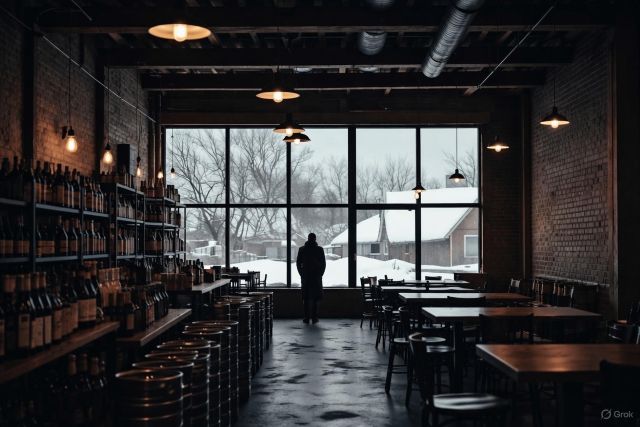
In early 2020, the beer world was moving along just fine. Taprooms were packed. Beer festivals were packed and the beer biz was strong. Then COVID hit — and the lights went out.
What followed were the “plague years,” a stretch of uncertainty that forced the beer industry to rethink nearly everything it thought it knew about itself.
When the Taps Went Dry
In March 2020, as lockdowns rippled across the country, governors ordered bars and restaurants to close and with that, draft lines shut down..
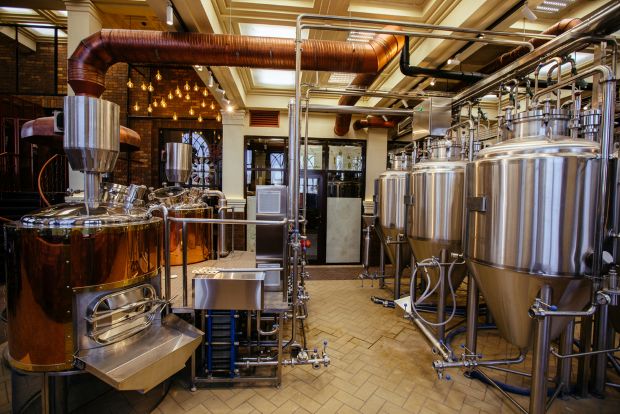
For small breweries, this was existential. Many relied heavily on on-premise sales — kegs sold to bars or pints poured in their own taprooms. Overnight, those revenue streams vanished. Kegs sat full. Fresh beer aged as payrolls loomed.
The industry’s defining image of that spring was no longer the newest release — it was brewers dumping unsold beer down the drain.
Organizations like the Brewers Association quickly sounded the alarm, warning that thousands of small, independent breweries were at risk. Emergency legislation like the CARES Act helped some businesses stay afloat, but survival often came down to hustle and creativity.
The Great Pivot: Cans and Curbside Pickup
If draft was dead, packaged beer was suddenly king.
Breweries that had never owned a canning line scrambled to find mobile canners. Label approvals that once felt bureaucratic became urgent lifelines. Parking lots transformed into curbside pickup lanes. States relaxed alcohol laws, allowing takeout beer and even home delivery in many markets for the first time.
For some breweries, the pivot worked. Retail sales surged as Americans drank at home. Grocery store shelves — already crowded with macro brands — began making room for local favorites.
But the shift wasn’t painless. Packaging costs soared. Aluminum shortages disrupted supply chains. And not every brewery had the distribution muscle to compete in retail’s knife fight for shelf space.
Still, the pandemic accelerated a trend that had already begun: consumers were increasingly comfortable buying craft beer in cans and drinking it on the couch instead of the barstool.
The Rise (and Pause) of Community
Before COVID, breweries weren’t just manufacturing facilities — they were community hubs. Trivia nights, live music, charity fundraisers, dog-friendly patios. The taproom was the brand.
The pandemic fractured that model. Social distancing upended communal tables. Capacity limits made busy nights feel risky. Some customers never came back, either out of caution or because their habits changed.
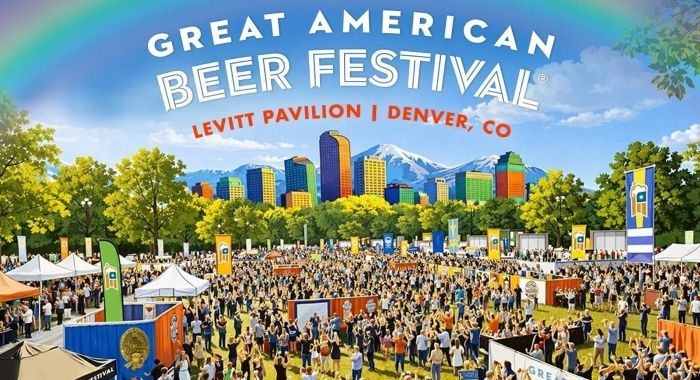
In states like Colorado and California, where brewery culture was deeply woven into local identity, the absence of festivals and beer weeks left a noticeable void. The industry’s social calendar — once packed — went dark.
When taprooms reopened, they looked different. More outdoor seating. QR code menus. Fewer handshakes. The vibe shifted from shoulder-to-shoulder buzz to spaced-out caution.
And for some breweries, that new normal stuck.
A Shakeout Years in the Making
COVID didn’t create all of the industry’s problems — it accelerated them.
Even before 2020, growth in craft beer had slowed. Shelf space was finite. Hard seltzers were surging. Consumer tastes were fragmenting.
The pandemic became a stress test. Weaker brands folded. Expansion plans were shelved. Mergers and partnerships picked up as breweries sought safety in scale.
National players leaned into established brands. Innovation continued, but risk-taking narrowed. Brewers focused less on obscure adjuncts and more on core beers that paid the bills.
By 2022 and 2023, closures outpaced openings in some regions — a reversal from the boom years of the 2010s. The romantic era of “open a brewery and they will come” had clearly ended.
Drinking Changed, Too
The pandemic didn’t just reshape breweries — it reshaped drinkers.
Some consumers drank more at home. Others reevaluated their relationship with alcohol entirely. Health and wellness trends gained traction, boosting interest in non-alcoholic and low-ABV options.
Breweries responded. Non-alcoholic craft beer, once a punchline, have become a legitimate growth segment. Ready-to-drink cocktails and alternative beverages have moved from the margins to the mainstream. And beer aisles today reflect that shift.
The Human Toll
Behind the statistics were people.
Brewers laid off staff they considered family. Bartenders left the industry. Supply-chain workers scrambled. Owners drained savings accounts to keep the lights on.
At the same time, the crisis revealed resilience. Brewers collaborated across state lines. Communities rallied around local favorites. Customers bought gift cards just to help their neighborhood taproom survive.
The industry emerged leaner, perhaps more sober in its outlook, but also more adaptable.
What the Plague Years Left Behind
So what has changed?
Taprooms are still central, but retail is more important than ever. Direct-to-consumer sales are no longer experimental — they’re expected. Breweries think harder about margins, distribution strategy, and diversification.
The beer industry didn’t collapse. But it did mature — quickly.
The “plague years” forced a reckoning. Growth at any cost gave way to sustainability. Expansion gave way to efficiency. And hype gave way to practicality.
In the end, COVID didn’t kill craft beer. It stripped away its illusions.
What remains is an industry that understands that survival is no longer just about its beers. It’s about building a business that can weather the next storm — whatever form it takes.
###
About the Author: American Craft Beer