Beer Briefs: Has Dry January Dried Up?
Beer Briefs: Has Dry January Dried Up?
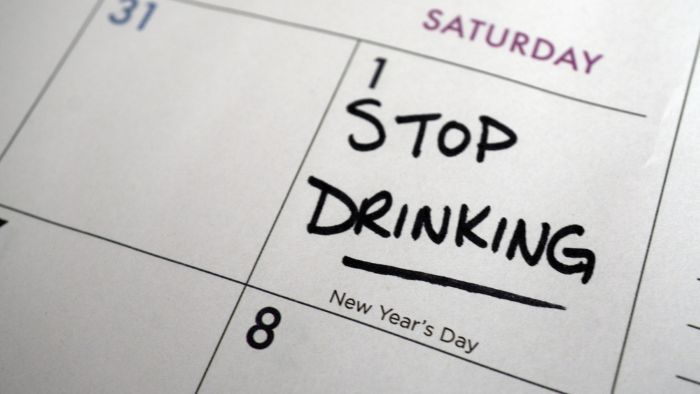
For more than a decade, Dry January has been the dependable reset button on the American drinking calendar — a month of sparkling water, maybe an NA beer, and clear-headed mornings. But as 2026 rolls along, a fair question is bubbling up in bars, breweries, and boardrooms alike: Has Dry January lost its edge?
The concept, popularized globally by the U.K.-based nonprofit Alcohol Change UK, was simple and brilliantly timed. After the excess of the holidays, participants would take 31 days off from alcohol. The promise? Better sleep, improved health, saved money, and perhaps a healthier long-term relationship with booze. For years, participation climbed steadily, and beverage companies — even Big Beer — learned to ride the wave.
But the drinking landscape has changed dramatically.
In recent years, moderation has become less of a January-only experiment and more of a year-round lifestyle. “Zebra striping” (alternating alcoholic and non-alcoholic drinks), low-ABV options, and a surge in non-alcoholic beers have blurred the lines between abstaining and indulging.
Younger consumers are redefining drinking culture altogether. Gen Z, in particular, is statistically drinking less than previous generations did at the same age. For them, Dry January isn’t a dramatic departure — it’s often just an extension of existing habits. And when moderation is already built in, a formal “challenge” month can feel redundant.
There’s also a cultural fatigue factor. In an era saturated with wellness trends — cold plunges, dopamine fasting, step challenges — some consumers are weary of performative self-improvement. Dry January, once refreshingly straightforward, can now feel like one more box to check — and perhaps a less necessary one.
A recent Business Insider report found that gross sales of non-alcoholic options, including NA beer, actually decreased this year compared with 2025, even as overall alcohol sales trended higher — hinting that the typical Dry January boost may have softened.
And yet, declaring Dry January dead would be premature.
Search trends and social media engagement still spike every January. Retailers report noticeable dips in alcohol sales early in the month, followed by a predictable rebound by February.
So maybe yes. Or maybe no.
For craft brewers and beverage makers, the month has evolved rather than evaporated. Instead of bracing for a sales cliff, many now treat January as an opportunity to showcase their non-alcoholic offerings and lower-ABV styles like table beers and session lagers.
There’s also an irony worth noting.
Dry January may be a victim of its own success. By normalizing conversations about alcohol consumption, it helped fuel a broader cultural shift toward mindful drinking. If consumers are already moderating year-round, the need for a dramatic 31-day cleanse diminishes.
So has Dry January dried up? Not quite. It hasn’t disappeared — it’s matured. And an industry built on reading consumer signals would be wise to read this one carefully.
###
About the Author: American Craft Beer