The Real Reason British Pubs Keep Their Lights Low
The Real Reason British Pubs Keep Their Lights Low
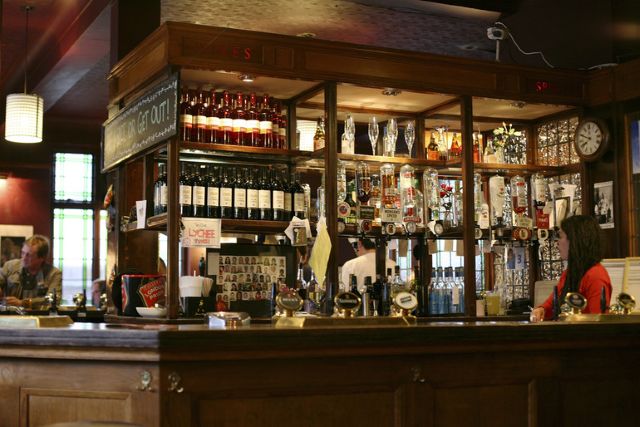
British pubs often feel dim the moment you step inside. The lighting hangs low. Shadows fill corners. Wooden beams swallow brightness. Tourists notice it instantly. Locals rarely question it. The darkness is not accidental. It formed over centuries through habits, architecture, materials, and social routines. Modern pubs keep this atmosphere even with new lighting technologies and updated interiors. The dimness has a purpose, a story, and a future that continues to evolve.
1. A Historical Backstory That Built the Darkness
Early pubs formed long before electricity. Alehouses in medieval Britain relied on natural daylight during short working hours. Nights called for candles, oil lamps, and fireplaces. These options produced weak light and heavy smoke. Taverns became places where people accepted darkness because it was the standard for indoor public spaces. The pub did not stand out. It simply matched the era.
The structure of old British towns also shaped pub interiors. Buildings sat close together. Streets were narrow. Windows were small. Homes needed insulation from cold and wind, so openings remained limited. Pubs followed the same pattern. They used thick stone walls and small panes that restricted daylight. Entering them felt like stepping into a sheltered pocket. The darkness developed naturally from construction choices.
As Britain entered the Victorian era, the pub evolved into a more elaborate institution. Owners created multiple rooms. Each section served a different social group. This separation encouraged screens, partitions, and frosted glass. These elements reduced visibility and placed privacy above brightness. The working class wanted to avoid judgment. Women preferred protected corners. People discussed wages, disputes, and personal matters. Dim lighting aided the sense of privacy. It encouraged a quieter setting for conversations that were not meant to reach beyond the room.
The role of alcohol also influenced design. Beer and spirits provided a short escape from harsh industrial work. A pub gave workers a place to withdraw from noise and pollution. The dim interior created contrast with the loud streets and demanding factories. A darker space made the pub feel safer from outside stress. Patrons valued this emotional shift, even if they did not analyze it directly.
World wars, rationing, and economic shifts reinforced older habits. Renovations remained minimal. Many pubs kept traditional materials because replacing interiors was costly. The dark look became an identity rather than a limitation. Tourists now travel to Britain expecting that unique feel. The lighting became part of the national drinking culture.
2. Psychology Behind Dim Spaces
Low lighting affects behavior. Humans tend to speak more slowly and quietly in darker rooms. The atmosphere reduces the pressure to perform socially. People focus on their immediate company. In a pub, this effect supports long conversations and steady drinking rather than rushing through a meal or activity. The darkness encourages guests to settle in and stay longer.
The British climate supports this preference. Many regions have short winter days. Rain and overcast skies dominate large parts of the year. People grew used to muted brightness. Homes often used warm indoor lights rather than harsh illumination. Pubs continued that tradition by offering an environment that feels like a retreat from cold streets and grey skies. Patrons enter looking for warmth and find it in the dim glow of lamps, fireplaces, and enclosed seating.
Privacy remains central to the pub’s psychology. British social behavior values personal space and subtle interaction. A darker room provides a buffer that prevents unwanted attention. Visitors can enjoy the company without feeling exposed. Even in busy pubs, the dim setting diffuses sharp lines and reduces the sense of being watched. That emotional comfort has remained one of the strongest reasons pubs have kept their low lighting.
Dim rooms also influence drinking habits. Bright spaces push people to move quickly and stay alert. Darker spaces slow the pace. Beer drinking aligns with this slower rhythm. People talk between sips. They reflect. They stay longer with their group. The pub becomes an extension of personal leisure time rather than a quick stop. The lighting style supports that mindset.
3. Furniture, Materials, and Layout That Support Darkness
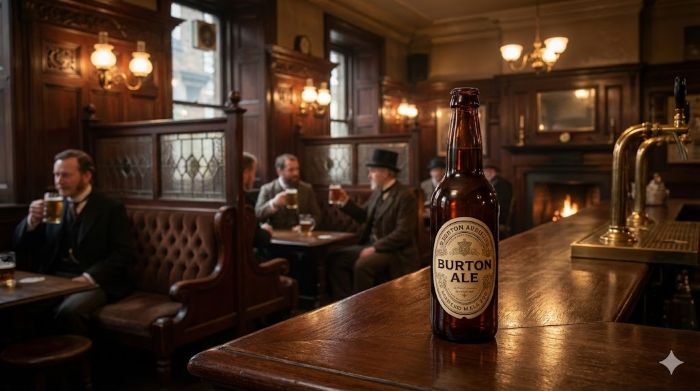
Traditional pub furniture and materials absorb light instead of reflecting it. Dark hardwood dominates many interiors. Oak and mahogany bars sit at the centre. Large beams run across ceilings. Heavy paneling lines the walls. These elements create visual weight. When paired with low lighting, they produce depth and shadow instead of brightness.
Seating follows a similar pattern. Leather benches, wooden stools, and padded armchairs soften the room. Fabrics often feature deep reds, greens, and browns. These tones blend with the shadows. They reinforce the quiet atmosphere. Even when pubs renovate, they tend to choose materials that keep the signature look. The style has become part of the British brand.
Carpets play a major role. Many pubs use patterned designs. The patterns disguise spills and wear from constant foot traffic. They also contribute to sound absorption. Loud pubs would feel overwhelming in bright conditions. The combination of carpet and low lighting reduces noise and glare, creating a more balanced environment.
The bar counter influences the flow of light in the room. Pubs often place it away from windows, near the centre or along a main wall. Overhead lights highlight drinks and taps but keep the rest of the room dim. This creates a visual anchor. People gravitate toward it without losing the overall subdued mood.
Some pubs include semi-enclosed corners or raised seating areas. These spaces create layers of shadow and light. They give patrons options for privacy. Even modern renovations maintain this variety of pockets and textures. During redesigns, interior teams sometimes draw inspiration from restaurant booths to create intimate seating zones that support the darker mood.
Many pubs have thick walls and low ceilings from earlier centuries. These architectural features restrict daylight even when windows remain uncovered. The structure itself extends the dimness. Renovators respect this quality because bright transformations might alienate loyal patrons.
4. Modern Pubs Balancing Tradition and Contemporary Demands
Modern pub chains bring new lighting technologies, energy regulations, and branding priorities. The challenge lies in updating interiors without losing the traditional feel. Designers now use LED lighting with warm tones. These lights reduce energy consumption while preserving the amber glow associated with classic pubs. LEDs also allow better control. Owners can adjust intensity during the day or for special events.
Some pubs open their layouts to create more space. Removing walls or screens brightens rooms slightly because light spreads more easily. Despite this, designers still maintain darker corners for customers seeking privacy. This balance helps pubs attract both younger visitors and older regulars.
Food service has expanded over time. Many pubs now function partly as restaurants. They need brighter lighting for dining tables. When kitchens introduce gastropub menus, owners often divide the room into zones. Brighter areas support eating. Darker sections remain dedicated to drinking. This blend keeps tradition alive while meeting modern expectations.
Regulation influences lighting choices. Fire safety rules, emergency visibility requirements, and accessibility guidelines shape the way pubs install fixtures. Designers must consider placement and brightness without disrupting the atmosphere. Warm lights help them meet both creative and legal standards.
Technology inside pubs keeps evolving. Digital payment systems sit on counters. Screens show sports matches. Online ordering applications guide kitchen schedules. These additions often require more controlled lighting. A complete shift toward brightness would alter the pub’s identity. Instead, owners highlight specific areas and leave the rest dim.
5. Future Directions for UK Pub Design
The future of pub lighting will depend on social habits, digital advancements, and changing consumer expectations. Younger drinkers spend more time on mobile phones. They take photos and share content. Brighter spaces support this activity. Some pubs already integrate slightly elevated lighting near tables to help guests read menus, take photos, or play digital games. Despite this shift, owners remain careful not to lose the signature shadowed atmosphere.
Sustainability drives many new design choices. Pubs explore low-energy bulbs, reclaimed wood, and eco-friendly fabrics. These elements may affect color schemes and brightness. Lighter materials reduce the visual heaviness of older designs. Some pubs choose to combine pale woods with darker fixtures. This hybrid style may shape the next decade of pub design.
Furniture will likely change as comfort standards rise. Many modern pubs now use ergonomic seating and modular arrangements. These updates can change how light moves across the room. Chairs with lighter fabrics reflect more illumination. Tables with open legs allow light to travel through the space more easily. Old styles that rely entirely on shadows may shift toward selective dimness rather than full room darkness.
Digital experiences may influence future layouts. Guests expect wireless charging, mobile ordering, and personalised recommendations. These innovations require better visibility at certain points. Pubs will blend functional lighting with atmospheric lighting to support both relaxation and digital use. Some owners already install adjustable fixtures that respond to time of day and customer volume.
Urban development will also play a role. New buildings have larger windows and modern insulation. When pubs open inside these structures, they naturally receive more daylight. Owners may embrace the brightness or partially block it with heavy curtains or tinted glass to maintain the traditional mood. The question becomes how much natural light a pub can accept without losing its identity.
The demand for outdoor seating continues to rise. Pubs create beer gardens with brighter environments. These areas contrast sharply with the dim interiors. Patrons appreciate the variety. On sunny days, they enjoy open space. In the evening, they return to the darker rooms for a quieter atmosphere. This dual approach may define future pubs.
6. Cultural Meaning Behind the Darkness
The darkness of British pubs holds cultural value. It represents familiarity, privacy, and continuity. Many people associate dim pub interiors with personal milestones. They held first dates there or met colleagues after long work days. Families gathered for celebrations. The low lighting supported those moments without overshadowing the people involved.
Travelers often treat pubs as cultural landmarks. They expect a certain mood. A brightly lit space might resemble a café or a global chain rather than a British pub. Darkness signals authenticity to visitors. It communicates history without needing explanation.
British social norms support subtle interaction. People value quiet acknowledgement rather than forced conversation. The dim interior protects that preference. Guests can decide when to engage or stay private. The environment respects both choices.
Sports culture reinforces this atmosphere. Fans gather to watch football matches in pubs. Dim lighting focuses attention on screens while keeping the room relaxed. Celebrations remain lively but not sterile. The shadows soften edges and reduce visual fatigue during long matches.
Music contributes to the cultural tone. Many pubs use low background music. It blends with conversations. Bright environments would highlight the sound too sharply. The dim room balances human voices, music, and ambient noise.
Pub culture also reflects British humor and storytelling. People lean in during conversations. They share anecdotes, jokes, and memories. Low lighting supports the intimate tone of these interactions. It lowers social tension and allows strangers to form quick familiarity.
7. Strength of Tradition in a Changing Hospitality World
The British pub occupies a rare position in modern hospitality. It blends food service, social space, sports viewing, and historical character. Many countries maintain bars or taverns, but the UK pub carries a distinct set of rituals. Lighting plays a central role in keeping those rituals intact.
Economic pressure affects design choices. Pubs must attract younger audiences while keeping loyal patrons. Darkness cannot disappear entirely because it is part of the brand. Instead, owners refine the balance between heritage and practicality. They introduce brighter lunch hours, candlelit evenings, or varied lighting zones. These adjustments help pubs stay relevant.
Communities value pubs as local anchors. These spaces host charity nights, birthdays, and holiday gatherings. The dim environment gives these events emotional weight. It supports reflection and celebration without overwhelming guests. Removing the signature mood could weaken that community role.
Tourism reinforces tradition. Visitors seek spaces that match their expectations of British culture. The dark pub interior delivers that promise. When tourists return home, they remember the warmth of the dim lighting. The memory becomes part of the global image of the United Kingdom.
Cultural preservation groups also influence design. Some pubs hold heritage listings that restrict renovation. Owners must protect original materials and lighting layouts. These rules maintain the historical look and limit drastic modern changes.
8. What the Darkness Still Offers Today
The darkness of a pub provides comfort in a world filled with bright screens and constant stimulation. People enter to step back from digital noise. The dim interior calms the senses. It slows the pace of conversation. It creates a separate zone that feels detached from daily obligations.
The structure of the typical pub encourages familiarity. Patrons return to the same seats. Bartenders recognize regulars. The dim lighting supports these routines. It allows guests to settle in quickly. The room feels stable even as people come and go.
The pub also acts as a space for mixed groups. People of different ages share tables. Friends reconnect. Colleagues unwind after work. The lighting softens social differences and creates a shared environment. The mood encourages conversation without overwhelming participants.
Many pubs maintain fireplaces, even if they use modern heating systems. A fireplace adds movement to shadows and contributes natural warmth. People often gather near it in winter. The surrounding dimness makes the light from the fire stand out.
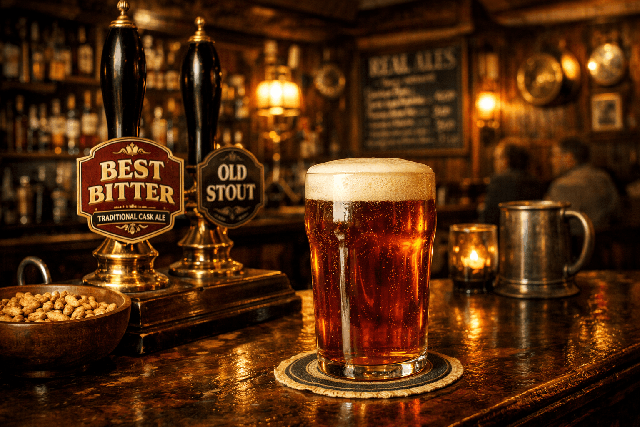
Food and drink presentation adapts well to darker settings. Beers with amber, gold, or deep brown tones appear richer under warm lamps. Wood tables and brass accents highlight the color of drinks without drawing attention away from the social moment.
9. The Relationship Between Space and Identity
The UK pub holds a unique identity partly because of its lighting. When people talk about British comfort, they refer not only to food or beer but also to the mood created by the room. The darkness shapes that mood. It creates a sense of belonging for those who visit frequently.
Identity forms through repeated exposure. People who grow up near pubs absorb the dim atmosphere early. When they become adults, the familiarity returns. It becomes part of personal history. For travelers, the darkness marks the difference between home and abroad. It shapes memories and impressions of the UK.
Designers who renovate pubs acknowledge this connection. They study historical references before making changes. They focus on lamps, fixtures, and material choices that respect the tradition. Even when introducing modern touches, they avoid removing the core atmosphere.
The relationship between lighting and identity becomes stronger as digital culture spreads. Bright, minimalist cafés and restaurants dominate many cities. The pub stands apart. It holds onto warmth and depth instead of sharp lines or open white spaces. The contrast makes the pub feel even more unique today.
10. A Dim Tradition That Still Evolves
British pubs remain dark for practical, psychological, cultural, and historical reasons. Each factor supports the next. Early lighting limitations shaped expectations. Architecture reinforced the mood. Furniture and materials deepened shadows. Social norms valued privacy and calm. Modern updates kept the tradition while adding comfort and safety.
The future will bring adjustments. Younger audiences may prefer brighter corners or clearer visibility. Sustainability goals may alter materials and reduce shadows. Technology may require illuminated zones for screens or digital menus. Still, the core of the pub will remain dim because it carries meaning beyond design.
People continue to seek environments that offer comfort and conversation. The pub’s darkness gives guests a moment of calm in a fast-paced world. It encourages connection without pressure. It brings communities together. It holds stories in its warm glow. The mood is not a decoration. It is the signature character of the British pub itself.
About the Author: Beer Blog