Rare Beer Styles: Sahti, Finland’s Ancient Ale
Rare Beer Styles: Sahti, Finland’s Ancient Ale
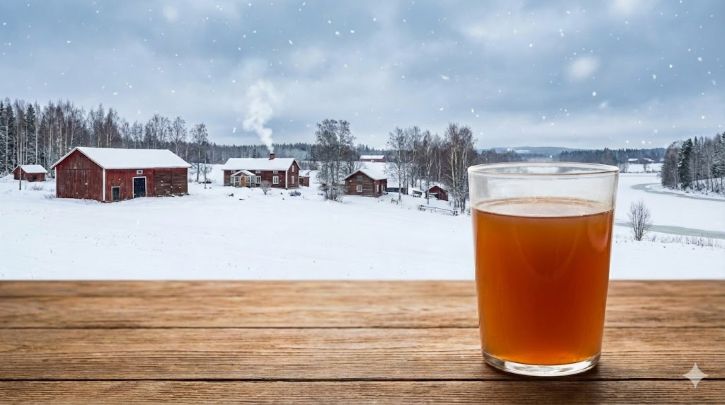
In the remote farmhouses of Finland’s Häme region, where dense forests meet quiet lakes, a beer style has endured for centuries largely unchanged—sahti. This ancient farmhouse ale, often hailed as one of the world’s oldest continuously brewed beer traditions, stands apart from just about everything in an era dominated by faceless lagers and hop-forward IPAs.
Sahti’s roots stretch deep into Finland’s past, predating the widespread use of hops in European brewing. Evidence suggests similar juniper-flavored ales existed as far back as the Viking Age, with archaeological finds like casks on 9th-century sunken ships hinting at early precursors.
By the Middle Ages, sahti had become entrenched in rural life, brewed by farmers—often women in earlier times—for festive occasions such as summer weddings, harvests, and even funerals. It earned a reputation as a “noble drink” in its home regions, tied to pagan nuances and communal rituals long after Christianity took hold.
What makes sahti truly rare today is its steadfast refusal to conform to modern brewing norms.
Unlike most commercial beers, traditional sahti skips the boil entirely—a step that sanitizes wort and extracts hop bitterness in conventional recipes. Instead, brewers perform a lengthy step-infusion mash, sometimes lasting 5–9 hours, slowly raising temperatures to extract sugars and flavors from the grains.
The wort then filters through a distinctive trough-shaped vessel called a kuurna, traditionally a hollowed log lined with juniper branches or twigs. These juniper elements serve dual purposes: they act as a natural filter and impart a signature woody, resinous, evergreen character that often replaces or supplements hops.
The grain bill typically features malted barley as the base, with generous additions of rye—often including dark, toasted Finnish rye malt known as kaljamallas for nutty, bread-like depth. Some recipes incorporate unmalted grains, oats, or wheat, varying by region.
Fermentation relies on top-fermenting yeast, historically a house strain or even baker’s yeast (such as the Finnish Suomen Hiiva), which produces pronounced banana and clove notes from esters and phenols. Hops, if used at all, appear sparingly, often as a light tea added separately.
The finished product pours hazy and golden to amber, thick with suspended proteins and yeast that refuse to settle. Alcohol content typically ranges from 7–9% ABV, with a pronounced sweetness and almost syrupy body, with ripe banana, spicy clove, fresh rye bread notes, and a slightly tannic juniper tang.
It’s nourishing and potent, meant to be consumed fresh within days or weeks of brewing, as the lack of boiling and pasteurization leaves it vulnerable to spoilage over time.
The beer’s pioneer and still the most prominent producer is Lammin Sahti, founded in 1987 in the heart of sahti country (Lammi, in the Häme region). It’s widely regarded as Finland’s flagship commercial sahti producer, brewing around 25,000 liters annually in what started as a family farmhouse setup.
Other notable modern commercial examples include:
- Finlandia Sahti (from Sastamala): Known for a slightly more fruit-forward take while sticking to tradition. They offer a standard version and a stronger Finlandia Strong Sahti.
- Varastopanimo (Kellarin Varastopanimo in Joutsa): A newer craft-oriented spot that opened around 2020, with Varastopanimon Sahti as their flagship.
- Olu Bryki Raum (in Isojoki): Specializes in sahti with a focus on the style’s cultural roots.
Yet sahti’s true essence remains tied to its origins: a rustic, unpretentious farmhouse ale born of necessity and tradition in Finland’s harsh northern landscape. And in a world of standardized IPAs and lagers, sahti serves as a reminder that some beer styles refuse to be tamed.
###
Want more Rare Beer Styles?
We’ve got ‘em…
Rare Beer Styles: The Baltic Porter
About the Author: American Craft Beer