Beer Briefs: New England Craft Brew Summit Returns / Beer Imports To Russia Slow
Beer Briefs: New England Craft Brew Summit Returns / Beer Imports To Russia Slow

(Courtesy Maine Brewers Guild)
As the craft beer industry adjusts to leaner times, one of its longest-running regional gatherings is marking a milestone year. We’ve that, “Words to Drink By” and more…
New England Craft Brew Summit Returns
As the craft beer industry adjusts to leaner times, one of its longest-running regional gatherings is marking a milestone year with a clear-eyed theme.
On March 6, 2026, The New England Craft Brew Summit returns to the Holiday Inn by the Bay in Portland, Maine, celebrating its 10th anniversary at a moment when growth is no longer a given and sustainability has become the watchword.
And the Summit’s timing reflects a more difficult time for the nation’s craft breweries.
According to the Brewers Association’s 2025 Year in Beer report, 434 breweries closed nationwide last year, while 268 opened. Roughly 9,778 small and independent breweries remain in operation across the country — a sizable number, but one that reflects a maturing, tightening market.
Maine’s picture mirrors that broader plateau. Openings and closures have largely balanced each other out, leaving the state steady at 158 breweries, ranking 21st nationally by total count. In other words, the breakneck expansion years are over. Stability — and survival — are now the focus.
That reality shapes this year’s Summit theme: “The Brewer’s Compass: Finding Focus, Crafting with Purpose.”
Organizers expect more than 400 brewers, brewery owners, suppliers, and industry partners to attend what has grown into the East Coast’s largest business-to-business conference devoted to the business side of craft brewing. And the emphasis isn’t just about making great beer; it’s about running disciplined, durable companies.
Headlining the program is Natalie Cilurzo, co-owner and president of Russian River Brewing Company.
Since acquiring the brewery in 2003 with her husband, Vinnie Cilurzo, she has helped steer it from a respected regional operation to one of the most influential names in American craft beer. Her keynote is expected to focus on leadership, resilience, and navigating market shifts without losing identity.
The broader program includes 20 sessions spanning business strategy, technical brewing, hospitality, workforce development, sustainability, and regulatory issues. Among the more anticipated conversations:
- Sam Calagione of Dogfish Head Brewing, Abe Furth of Orono Brewing Company, and Rob Tod of Allagash Brewing Company will join a candid discussion moderated by Sarah Bryan of the Maine Brewers’ Guild on the calculated risks small breweries take to differentiate themselves.
- Michael Fava of Novare Res and Tom Peters of Monk’s Café will examine what makes a beer bar successful in today’s climate.
- Em Sauter, creator of Pints and Panels, will explore how education can strengthen brewery teams and deepen consumer engagement.
Since launching in 2016, the Summit has evolved alongside the industry it serves. What began during a period of rapid expansion now finds itself in a more measured era — one defined less by how fast breweries can grow and more by how well they can endure.
Words to Drink By
“When I look back at my life, I feel pain not because of suffering, but because of wasted time.” – Fyodor Dostoevsky, Russian philosopher, novelist, short story writer, essayist and journalist
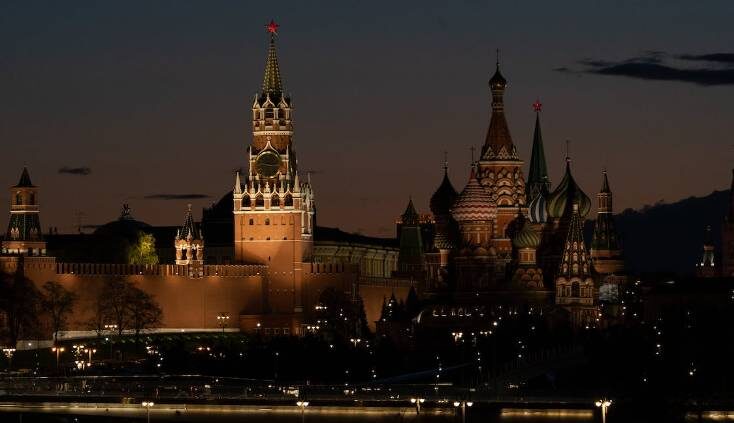
(The Kremlin – Moscow)
Beer Imports To Russia Slow
Beer imports to Russia have plummeted sharply in the last year, driven by elevated tariffs on foreign alcoholic beverages and declining consumer purchasing power in the country that is pushing drinkers toward domestic alternatives.
The decline has hit European Union suppliers particularly hard.
According to customs data cited by Russian newswire RIA Novosti, beer imports from the EU halved in January 2026 compared with the same month in 2025. And overall beer imports have fallen to their lowest levels since early 2015, with monthly volumes now hovering around 200,000 decaliters.
The Czech Republic remains the dominant supplier, accounting for 48% of Russia’s beer imports. Poland and Latvia each hold about 10%, while Germany and Lithuania contribute 9% apiece.
Got Something We Need To Know About? Send Your Press Releases to: pr@AmericanCraftBeer.com
About the Author: American Craft Beer