American Craft Beer Industry Faces Uncertain Future: Christmas 2025
American Craft Beer Industry Faces Uncertain Future: Christmas 2025
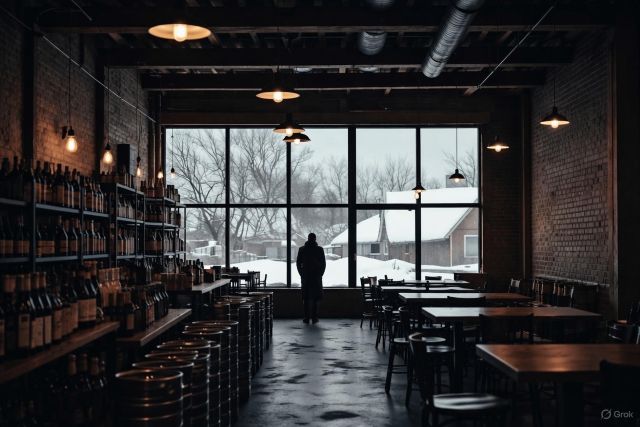
As Christmas 2025 approaches, the American craft beer industry finds itself in an increasingly familiar but uncomfortable spot: still standing, still creative, but clearly under pressure.
After more than a decade of seemingly unstoppable growth, craft beer has settled into a new reality. Sales volumes continue to slip in many markets, taproom traffic is inconsistent, and breweries are fighting harder than ever for consumer attention. None of this means craft beer is disappearing—but it does mean its glory days may be over.
According to industry data released throughout the year, more breweries closed in 2025 than opened, continuing a trend that has reshaped the landscape since the pandemic years. Rising costs remain a major factor. Ingredients, packaging, insurance, and labor are all more expensive than they were just a few years ago, squeezing margins for small producers already operating on thin ice.
Consumer habits are also shifting. Younger drinkers are drinking less beer overall, and many are splitting their attention between spirits, wine, non-alcoholic options, and ready-to-drink cocktails. Even loyal craft drinkers are cutting back, choosing fewer but “better” beers—or saving their splurges for special occasions rather than weekly bar visits.
At the same time, competition inside the beer aisle has never been fiercer. The market is saturated, shelf space is limited, and distribution remains a challenge for small and mid-sized breweries. Larger players, including multinational brands with “craft-adjacent” offerings, continue to crowd the same lanes once dominated by independent brewers.
Still, it hasn’t been all bad news. Many breweries that survived 2025 did so by adapting. Some scaled back distribution to focus on taprooms. Others diversified into lagers, low-ABV beers, and non-alcoholic options that appeal to changing tastes. Community-driven events, food partnerships, and hyper-local branding helped some breweries remain relevant even as overall demand softened.
There’s also a noticeable shift in mindset. Brewers are talking less about growth and more about sustainability—financially, creatively, and personally. Fewer new breweries are opening, but those that do tend to be more cautious, better capitalized, and realistic about the challenges ahead.
As the industry heads into 2026, uncertainty remains. Craft beer is no longer the shiny disruptor it once was, but it’s also far from a fading trend. What lies ahead likely isn’t a dramatic collapse, but a slower, leaner era where survival depends on flexibility, connection, and knowing exactly who you’re brewing for.
For now, during the holiday season, taprooms are still full of familiar sounds—glasses clinking, friends gathering, brewers pouring beers they’re proud of. The future may be unclear, and the spirit that built American craft beer hasn’t entirely disappeared, but it is being tested this Christmas.
###
About the Author: American Craft Beer