6 Bar Tools That Elevate Craft Beer Service
6 Bar Tools That Elevate Craft Beer Service
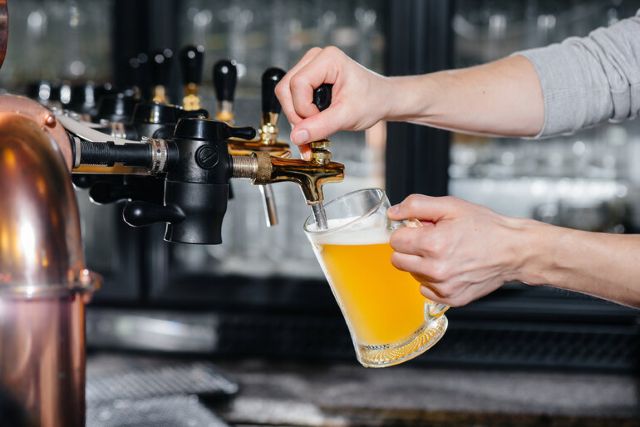
Craft beer is service-based and requires precision as much as passion. The correct equipment maintains taste, pour, and serving edges. Even the smallest aspects, in crowded tap rooms, such as the initial draw of the tap handle to the final rinse of the glass, determine the efficiency with which a bar staff will perform during the hourly rush. These six tools used by the bar not just facilitate good service, but they also affect the whole experience around a pint. Customers enter a brewery hoping to get a great beer, and the equipment behind the bar is a significant factor in how the beer appears in the glass. When it is dialed, it will be the way the brewer intended it to be, and the guests will walk away with the type of impression that will make them come back and have another round.
The Role Of Style-Specific Glassware In Flavor And Foam
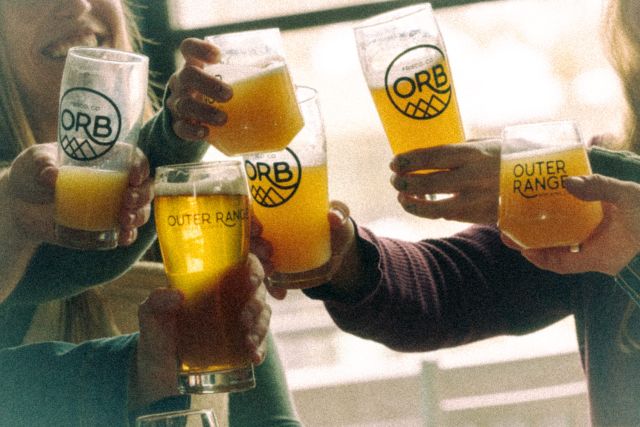
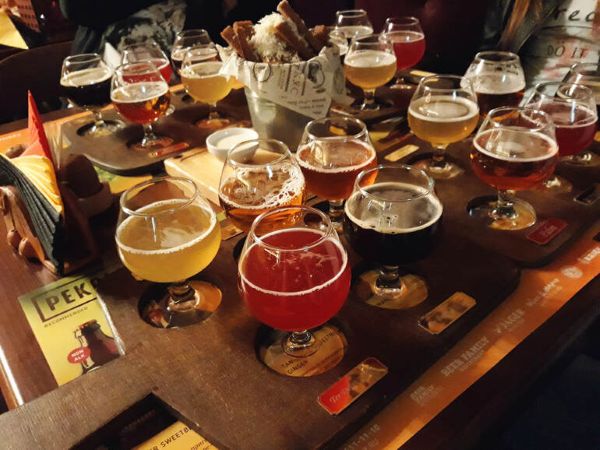
Each beer style reveals its best character through the right glass shape. A tulip traps aroma for strong ales, while a pilsner glass keeps lighter beers crisp and bright. Choosing the proper glassware preserves carbonation and head, allowing customers to fully experience the flavor and aroma of a great beer. It’s like serving espresso in a teacup in that it works, but it’s wrong for the flavor. Staff training on glass choice costs little yet builds consistency, confidence, and higher perceived value in every pour.
According to Yu Zhao at kobayashibar.com, consistent craft beer service comes from systems that support precision under pressure, not just good intentions. When equipment, layout, and daily habits are aligned, bartenders can maintain quality even during the busiest rushes.
Why Every Taproom Needs A Glass Rinser Station
A glass rinser keeps every pour fresh and foam-perfect. A quick blast of cold water clears dust and balances the temperature so beer pours smoothly with no excess bubbles. This small step speeds up service during rush hours and improves foam stability across styles. Good suppliers, such as Restaurant Supply, will sell a variety of helpful equipment, such as durable rinser trays that will suit most bar setups. Investment in either will safeguard the flavor of beer, minimize waste, and allow bartenders to be consistent in their service, pouring one after another.
Keeping Draft Lines Clean For Consistent Taste
Clean draft lines retain the taste of beer as the brewer intended it to be. A thin layer of residual can form off-flavours or destroy carbonation. Cleaning with an alkaline solution regularly is necessary to remove the buildup of yeast and sugar, and cleaning with an acid cycle to remove mineral deposits. It is simply hanging oil in an automobile. Neglect to pay attention to it, and the performance declines rapidly. An entry-level draft line cleaning system is relatively inexpensive when weighed against the expense of lost kegs or wasted pours, and thus a major investment in image and reputation. Reputation preservation should be a priority in the craft beer market that is already of global scale, i.e., a market of $92 billion.
Balancing CO2 and Nitro Systems With Smart Regulators
CO2 and nitro regulators control pressure, keeping every beer style carbonated just right. A pale ale needs steady bubbles, while a quality stout pours smoother with nitrogen. When pressure fluctuates, flavor and mouthfeel suffer. Backup gauges help bartenders spot problems early and switch tanks before service slows. Think of regulators as the lungs of the draft system, always breathing balance into each line. Proper setup, along with periodic calibration, protects keg yield and ensures every pint meets the brewer’s standards from tap to table.
Keg Couplers And Seals That Prevent Service Delays
Keg couplers serve as the access point of the keg to the tap system, and the point of weakness in the connection can slow down the whole bar. Once seals begin to wear, leaks form, pressure is reduced, and the pour becomes foamy rather than clean. Extra seals and backup couplers are always on hand to maintain a steady flow of the tap line, ensuring that the quality of products and money are not lost during periods of high demand in a craft beer setting.
When the staff are trained on checking gaskets when changing the kegs, it builds a more pronounced rhythm at the bar. An immediate inspection will identify issues before they disrupt the service, and will assist the team to have a consistent process from one pour to the next. Taprooms where the maintenance of kegs is a daily ritual will provide a more consistent serving of a glass of beer as a reminder of customer expectations of a dedicated craft beer facility.
Managing Spills And Workflow With Drip Trays And Bar Mats
Drip trays and bar mats prevent spills before they get out, thus ensuring the work areas are clean and dry. They also guard against sticky buildup on glassware and equipment that decelerates service. Modular carpets ease nighttime cleaning, whereas padded cushions decrease the breakage in rush hours. It is like using a cutting board rather than cutting right on the counter; all would be cleaner and would last lasting. Even a minor investment in quality mats and trays will increase the level of efficiency, sanitation, and comfort of the staff working on the shift.
Mastering the Pour
Precision and attention to detail are the key elements of craft beer service, and the proper tools transform every pour to become a reproducible art form. Modern drinkers expect the same level of consistency they look for in other beverage gear, just as people compare performance in hydrogen water bottle reviews, bar owners carefully evaluate draft tools, glassware, and maintenance routines to ensure every pint meets expectations.
Details matter in the process, and the effort to focus on the details is a fundamental aspect of the experience since the customer does not receive the beer until the equipment behind the bar has done its job to ensure that the temperature, clarity, and aroma are all appropriately tested.
Bars that invest in maintenance and training safeguard taste and simplify each shift. Straight edges, ice glasses, and stable regulators form a consistent standard, and the customers can always depend on them whenever they visit. Effective practices in the bar improve the reputation of the taproom and ensure that each drink will have the quality that the brewery strives to deliver.
About the Author: Beer Blog