8 Beer Industry Trends to Watch Out For in 2026
8 Beer Industry Trends to Watch Out For in 2026
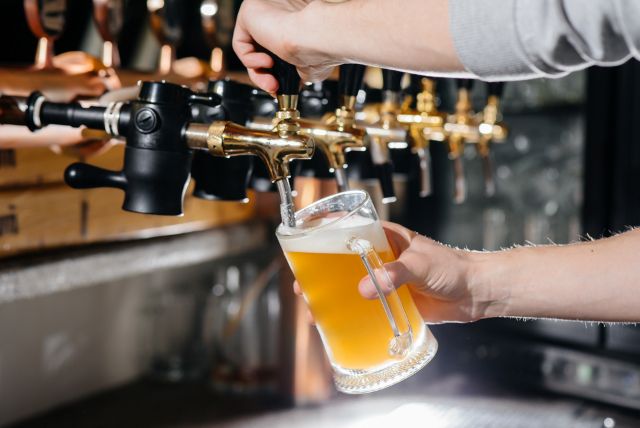
If the last few years have taught the beer business anything, it’s that nothing stays still for long. Drinkers are evolving, tap lists shifting, and brewers are not only recalibrating to keep up, but increasingly, just to survive.
As 2026 gets underway, the brewing industry finds itself balancing tradition with experimentation, and comfort with caution.
And here are some beer trends to look out for in 2026
Moderation Goes Mainstream
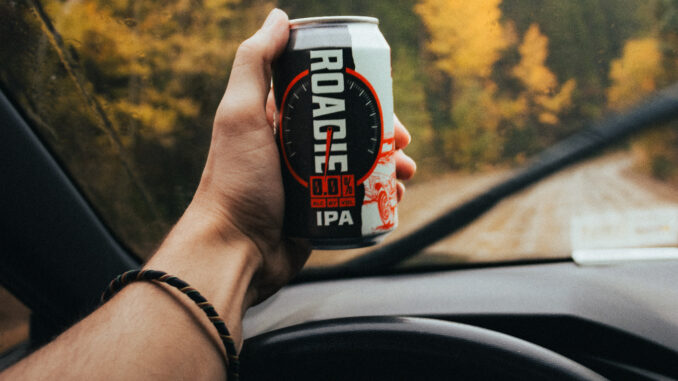
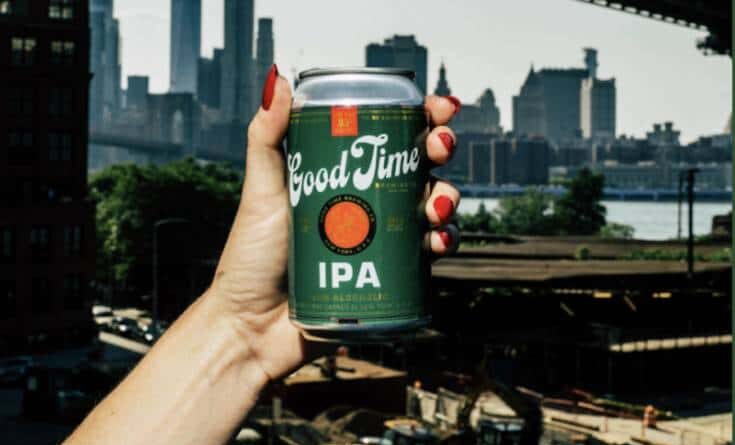
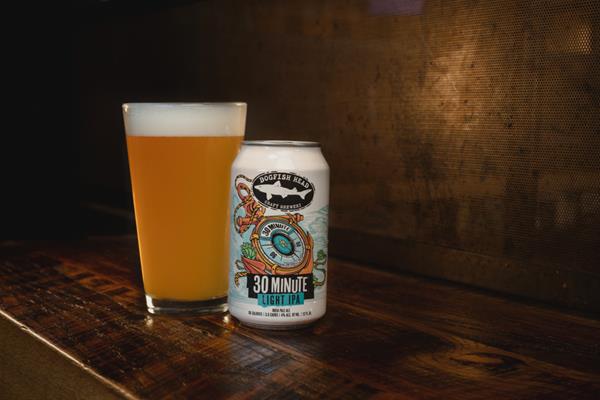
Low- and no-alcohol beer is no longer niche. In 2026, it’s a core part of many breweries’ portfolios, driven by drinkers who still want flavor and ritual without the buzz..
The biggest change isn’t just better non-alcoholic taste—though that’s real—but better branding. New Na beers are being marketed less like compromises and more like lifestyle choices, sitting comfortably next to the full-strength flagships.
The Return of “Beer-Flavored Beer”
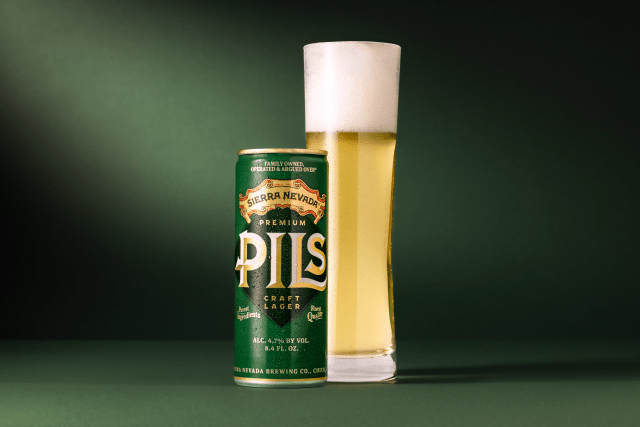
After years of smoothie sours, pastry stouts, and experimental hybrids, there’s a noticeable swing back toward clean, classic styles.
Lagers, pilsners, and straightforward pale ales, are enjoying renewed respect, especially among younger consumers. Brewers aren’t abandoning creativity; they’re just applying it more subtly, focusing on balance, drinkability, and precision.
Craft Brewers Embrace Value
Inflation fatigue is real, and beer drinkers are paying closer attention to price. In response, many craft breweries are rolling out approachable, lower-priced options—primarily lagers, designed for regular consumption rather than special occasions.
The message in 2026 is clear: craft doesn’t have to mean expensive, and quality can still live in a six-pack you don’t think twice about buying.
Big Beer Gets Nostalgic
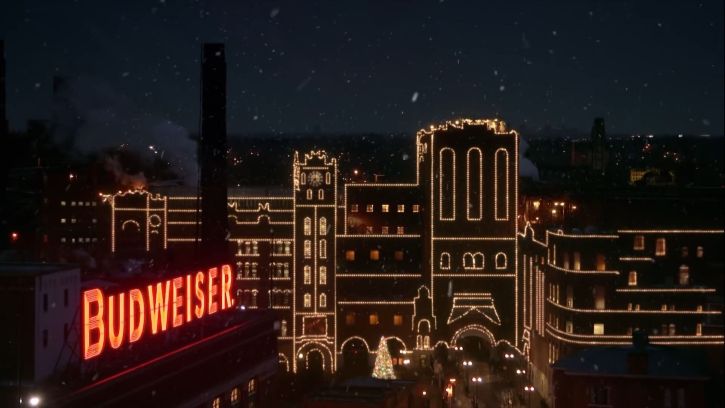
Major brands are leaning hard into their archives this year, reviving old slogans, packaging, and beloved ad characters.
Nostalgia marketing is proving especially effective with drinkers who grew up seeing these brands everywhere—and with younger consumers drawn to retro aesthetics. In a crowded market, familiarity is a powerful differentiator.
Local Still Matters
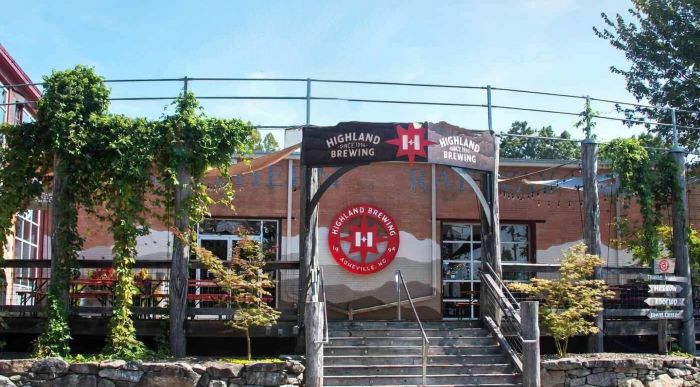
Drink local remains a strong sentiment, but in 2026 it’s evolving. Drinkers want local beer that also offers something extra: sustainability commitments, community spaces, or cultural relevance.
Breweries that double as neighborhood hubs—hosting events, collaborating with artists, or partnering with local food businesses—are the ones building lasting loyalty.
Sustainability Becomes Less Optional
From water usage to packaging choices, environmental impact is under sharper scrutiny than ever. Breweries are talking less about abstract goals and more about concrete actions, like lightweight cans, returnable packaging, and renewable energy investments.
For many consumers, sustainability in 2026 isn’t a bonus—it’s an expectation.
Cross-Category Beverage Curiosity Grows
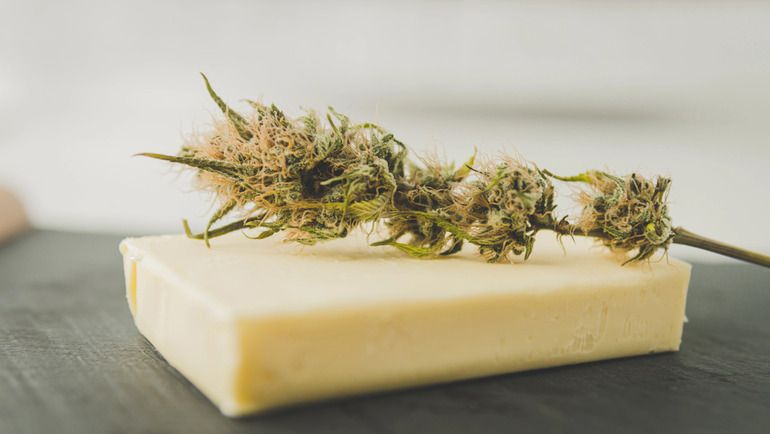
Beer is increasingly sharing space with adjacent drinks. Breweries are experimenting with hop waters, beer-infused cocktails, and THC beverages that blur the line between beer, seltzer, and soft drinks. These offerings aren’t necessarily replacing beer, but they are expanding the occasions where breweries can stay relevant.
Storytelling Over Style
Finally, how beer is talked about is evolving. Instead of leading with technical style descriptions, breweries are turning to stories—about people, places, and moments.
In 2026, the emotional hook often matters more than a specific style category, especially for casual drinkers who just want something that fits their mood.
2026 Going Forward
The beer industry in 2026 feels less obsessed with chasing extremes and more focused on meeting drinkers where they are.
It’s a year of recalibration, where smart brewers blend innovation with approachability—and remember that at the end of the day, beer is still about enjoyment and the moment.
###
About the Author: American Craft Beer