What Does the Craft Beer World Look Like Now That Some Pandemic-Era Habits Are Here to Stay
What Does the Craft Beer World Look Like Now That Some Pandemic-Era Habits Are Here to Stay
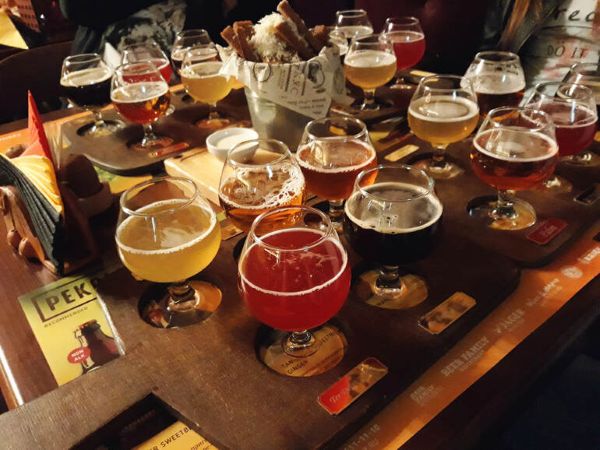
The pandemic taught many people that you can make an ordinary night at home feel like a proper plan. A few good snacks, a fridge with options, and a drink that feels like a treat. Once people got used to that kind of comfort, many didn’t drop it. It’s easy, it’s familiar, and it fits real life. For craft beer, that meant packaged beer stopped being the backup option and became the default for a lot of drinkers. Breweries that depended on draft sales had to pivot fast.
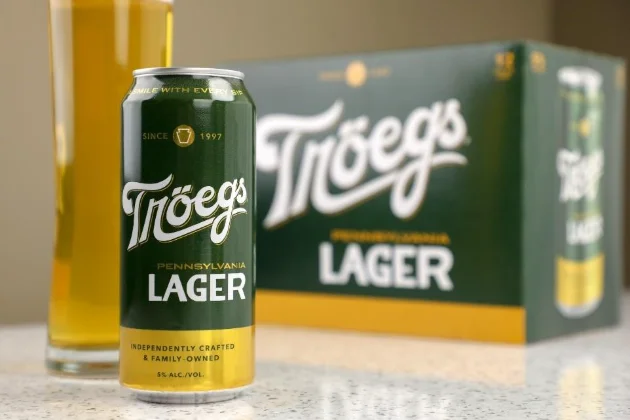
They invested in cans, leaned on mobile canning, rushed label work, and turned curbside pickup into a daily routine. In many areas, rules also loosened so beer could leave the brewery more easily, sometimes even through delivery. This shift also changed what people buy. A taproom visit often involves one or two pours, maybe a conversation with staff, and a new release. A home purchase is about the whole evening. Drinkers want something that fits dinner, the couch, and the next morning.
Taprooms Are Still The Heart
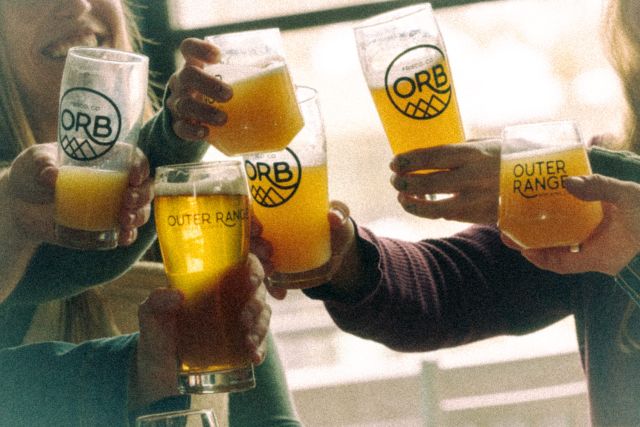
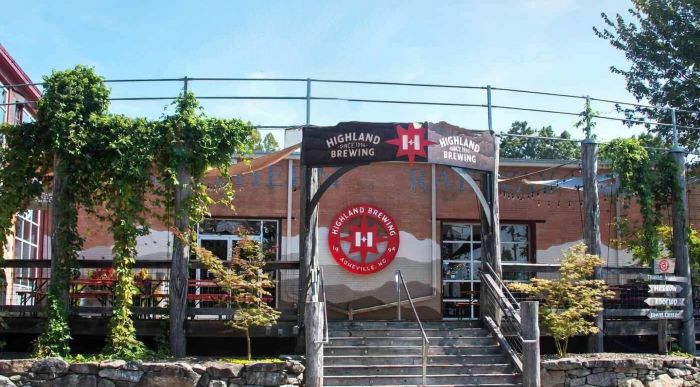
Many drinkers treat the taproom as a planned outing now. They meet friends there, they bring partners who do not care about beer, and they stay longer when the space feels comfortable. Outdoor seating is a perfect example. It started as a practical safety move, and then it became a preference. Many who had been out of the company for a long time confessed that they were somewhat rusty. Other individuals also became more cautious about whom they associate with, and they do not feel the necessity to go out on a regular basis. The breweries have changed, providing more sitting space and the service flowing easily, as well as more events that provide people with an excuse to gather together without talking all the time.
Convenience Raised Expectations For Clarity And Trust
More people buy craft beer the same way they buy everything else now, quickly, online, and with less patience for confusion. That is a pandemic leftover. People have gotten used to doing a fast scan for reliability before they commit, especially when they are paying online from home. It is not only for beer. It is the same instinct behind looking up the safest online casinos in Canada before using a new platform. In beer terms, it means customers reward breweries that keep their info updated, explain releases in plain language, and make pickup feel smooth and predictable. That is why clear communication has become part of the product. Simple store pages. Accurate hours. Transparent pricing. A short explanation of what a beer tastes like, not just a clever name.
Competition is Not Just Other Beers Anymore
Ready-to-drink cocktails have become more popular because they are excellent for drinking at home. You can grab a can, pour it over ice, and it feels like a treat even if you don’t know how to mix drinks. That is the reason why they are a direct competitor to the informal evening slot of the informal slot which many craft brewers previously had. Simultaneously, other individuals consuming drinks are attracted to beverages that offer fewer calories, less sugar, or other healthy materials.
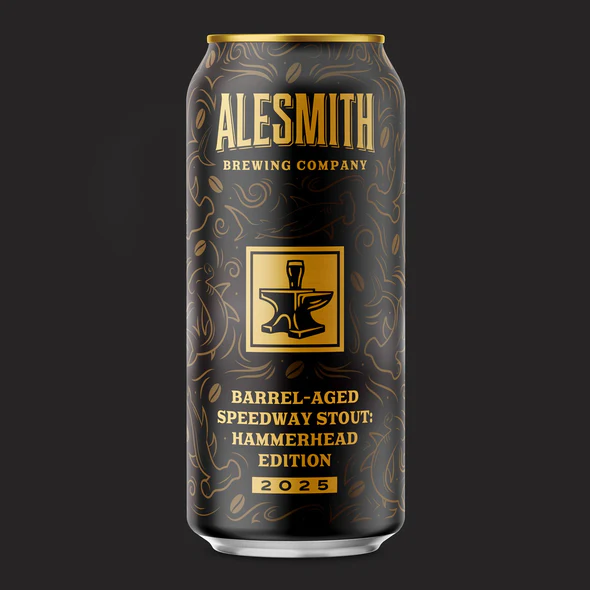
It does not matter even if such statements are true or not; the buyer’s mind is clear. More people are reading labels as well. Craft beer is responding in two ways. One is by improving classic, dependable styles and making them easier to find. This includes highlighting beers and barrel-aged stouts that showcase depth and craftsmanship. The other is by staying creative but being smarter about risk. You still see wild flavors, but you also see a renewed respect for the beers that pay the bills.
Breweries Are Operating Leaner and Thinking Harder
Even before 2020, growth was slowing in many markets. Shelf space was packed. Consumer attention was splintering. COVID-19 became a stress test. Some breweries closed. Others merged, partnered, or pulled back expansion plans. Costs also changed the math. Packaging became more expensive. Supply chains became less predictable. Labor became harder to hire and keep. That pressure shows up in the choices breweries make today. Fewer beers on tap at once. More focus on quality and consistency. More effort to sell directly to customers because margins can be better.
So What Does The Craft Beer World Look Like Now
Taprooms are still important, but they have to be worth going out for. Putting beer in a package is hardly a step down. Most of the time, this is how people drink craft beer. Moderation is common. There are choices that are nonalcoholic or have a low ABV. Even as craft beer consolidation reshapes parts of the industry, the routine of drinking local brews has remained remarkably consistent.
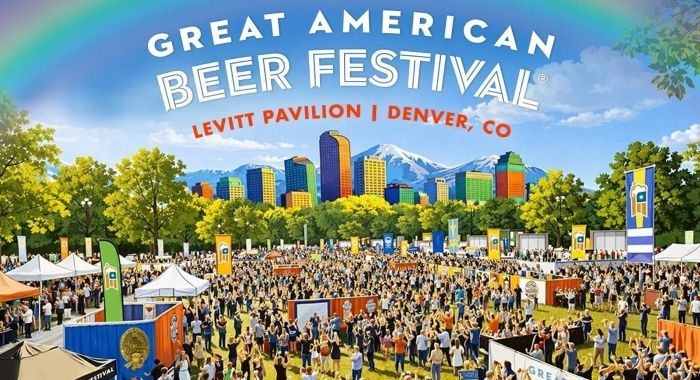
The positive part is that craft beer is continuing to do what it does best. It captures small life moments that seem to be occurring in a small town. It may take place during a lively fair in the sun. It can be on your couch with a fresh can and a snack that is salty too. This is that sort of habit that will linger on even when the pandemic concludes.
About the Author: Beer Blog