The Rise and Fall of Schlitz Beer
The Rise and Fall of Schlitz Beer
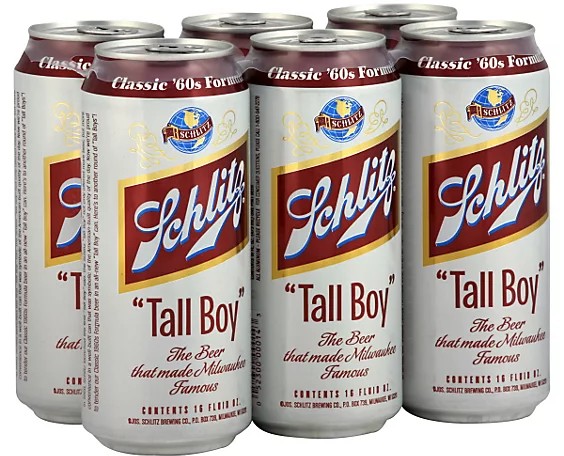
For generations, Schlitz was more than just another American lager. It was a giant of the brewing world, a beer so dominant that it once claimed the title of the largest brewery on the planet. Its slogan, “The Beer That Made Milwaukee Famous,” was not marketing exaggeration. For decades, Schlitz helped define Milwaukee’s identity as one of America’s great brewing cities.
Today, however, Schlitz exists mostly as a memory, a vintage logo on old signs, a nostalgic barroom reference, or a beer story passed down by longtime drinkers. Now the flagship Schlitz Premium lager has quietly reached the end of its run, closing the final chapter on one of brewing’s most dramatic rise and fall stories.
For a beer that spent decades on top of the mountain, its fall was surprisingly steep.
Schlitz began in Milwaukee in 1849, at a time when the city was rapidly becoming a hub for German brewing traditions. German immigrants brought lager brewing techniques with them, and beer culture quickly took root in Wisconsin. Joseph Schlitz, a young immigrant who started as a bookkeeper, eventually took control of the brewery and transformed it into an ambitious operation with national aspirations.
Then fate dealt a card.
In 1871, the Great Chicago Fire devastated Chicago and destroyed many local breweries. But Schlitz saw opportunity where others saw disaster. The company loaded train cars with beer and shipped them directly into the city, helping meet demand while also introducing countless drinkers to the brand.
And that strategy worked brilliantly.
Chicago embraced Schlitz, and the company adopted the slogan “The Beer That Made Milwaukee Famous.” It became one of the most recognizable taglines in American beer history.
By 1902, Schlitz had surpassed rivals and become the largest brewery in the world. It maintained enormous influence for decades and entered the postwar years as one of America’s beer titans. Television advertising helped fuel even more growth, and Schlitz commercials became part of the culture. For a while, it looked as if the company had built an empire that could last forever.
Then came the 1970s.
Like many big companies, Schlitz faced pressure to improve efficiency and cut costs. Executives decided to alter brewing methods and speed up production through techniques that included accelerated batch fermentation. Ingredients and processes changed as management searched for ways to increase output while reducing expenses.
On paper, the strategy probably looked smart. But in practice, beer drinkers immediately noticed something was wrong.
The new brewing shortcuts changed the beer’s character. Some batches developed quality issues. Drinkers complained about haziness, flat flavor, and inconsistencies. Loyal customers who had spent years buying Schlitz suddenly felt like they were drinking a different beer entirely.
Beer drinkers may not always explain flavor changes with tasting notes or technical brewing terms, but they know when something familiar suddenly feels off. And once consumers start walking away, getting them back becomes very difficult.
Schlitz’s decline accelerated. Competitors gained market share while the brand struggled to repair its image. Brewing historians often point to these cost-cutting decisions as one of the most famous examples of a company damaging its own product in pursuit of efficiency.
Then, yet another major blow.
A labor dispute culminated in a massive strike in 1981 that ultimately helped close Schlitz’s historic Milwaukee brewery. The company that once ruled American beer had lost its footing.
Over time, ownership changed hands and Schlitz slowly faded from prominence. In 1999, Pabst Brewing Company purchased the brand and later attempted to revive some of its old magic. In 2008, Pabst relaunched Schlitz using its classic 1960s recipe in hopes that nostalgia might reconnect drinkers with the beer’s earlier glory days.
And that relaunch gave Schlitz a respectable second run.
For nearly two more decades, the beer hung around as a familiar dive bar staple; a favorite among fans of familiar American lagers. But the numbers never returned to anything close to Schlitz’s former dominance.
Eventually, reality caught up.
Annual Schlitz sales reportedly dropped to roughly $900,000, a tiny figure compared with larger brands in Pabst’s portfolio. Production challenges added pressure. Because Pabst relies on contract brewing arrangements, shrinking demand reportedly fell below the minimum production requirements needed to justify brewing batches. Shipping and storage costs only made the economics more difficult.
The result was a quiet ending rather than a dramatic one.
The flagship Schlitz Premium lager was placed on hiatus and gradually disappeared from store shelves. Notably, Schlitz Malt Liquor remains in production, so the name itself has not vanished completely.
Still, Pabst made sure the legendary beer got one final tribute.
For a proper farewell, the company granted permission to Wisconsin Brewing Company in Verona to create a commemorative final batch. Brewmaster Kirby Nelson reportedly turned to original 1948 brewhouse logs in an effort to recreate the beer from Schlitz’s golden age.
Still, Schlitz has had a remarkable 175-year-old run.
It may never dominate Midwestern cities the way it once did. And its story still stands as one of the great cautionary tales in brewing history. Success can take generations to build. Losing it can happen a lot faster.
About the Author: American Craft Beer

Get Social

Join Our Newsletter