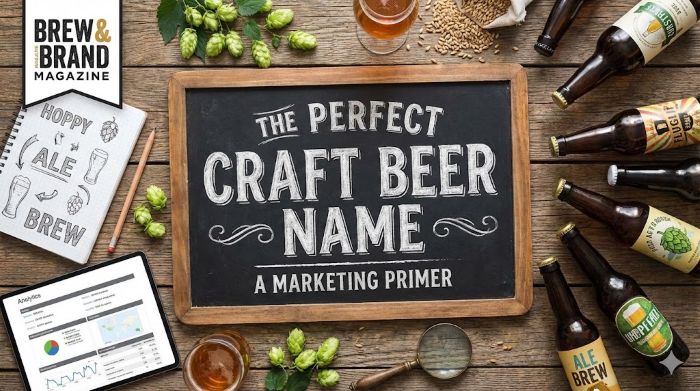
The Perfect Craft Beer Name: A Marketing Primer
The Perfect Craft Beer Name: A Marketing Primer
Walk down the beer aisle of any halfway decent bottle shop and you’ll see it immediately: the names. Some are clever. A few, unforgettable. But in a crowded craft beer market where shelf space has become increasingly limited and attention spans even shorter, beer’s name has never mattered more.
The perfect craft beer name isn’t just a throwaway joke or a last-minute decision scribbled on a brew log. It’s branding, storytelling, and business strategy that speaks for the beer.
First Impressions Matter More Than Ever
Most consumers don’t taste a beer before buying it. They read the name, glance at the label, and make a split-second decision. A good name acts like a headline—it should instantly tell you something, or at least make you curious enough to reach for the can.
Names like Pliny the Elder or Heady Topper don’t describe flavor, but they signal importance and mystique. Others, like All Day IPA, promise a specific experience. Neither approach is wrong. What matters is clarity of intent.
If the name creates friction—too inside-baseball, too long, or too confusing—it risks getting left behind for something simpler.
Know Your Audience (and Speak Their Language)
A pastry stout named Double Chocolate Peanut Butter Marshmallow Dream might fly off the shelves in one market and flop in another. Beer names work best when they reflect who the brewery is talking to.
Local references, neighborhood slang, or regional history can create instant loyalty—Yuengling, Shiner, and countless smaller breweries have leaned into this successfully. On the flip side, a name that relies too heavily on a niche joke may alienate new drinkers who don’t get the reference.
The best names feel inclusive, not exclusive. They invite you in rather than test your credentials.
Style Clarity Still Counts
Craft beer drinkers are more adventurous than ever, but they still want to know what they’re buying. A clever name is great—until it hides the fact that the beer is a pilsner when the drinker wanted an IPA.
Smart breweries balance creativity with clarity. The name can be playful, but the style should be easy to find and easy to understand. When in doubt, pairing a creative name with a straightforward style descriptor is a safe bet.
Humor Is Powerful—But Risky
Funny beer names get attention, no question. Puns, dad jokes, and cheeky references have launched plenty of brands. But humor ages fast, and what’s funny once can feel tired after the tenth release.
There’s also the risk of crossing lines—offensive language, questionable imagery, or jokes that don’t travel well outside the taproom. In an era where beers are shared nationally (and screenshots travel globally), a name should survive beyond its original context.
Consistency Builds Brands
Some of the strongest breweries use naming conventions rather than one-off hits. Think of recurring themes, characters, or linguistic patterns that tie releases together. This creates familiarity and makes new beers instantly recognizable as part of a larger story.
It’s not just about one perfect name—it’s about building a vocabulary that grows with the brand.
The Name Is a Promise
At its best, a craft beer name sets expectations. It hints at flavor, mood, or occasion. When the beer delivers on that promise, the name becomes memorable. When it doesn’t, no amount of cleverness can save it.
In a market flooded with great beer, the perfect craft beer name doesn’t have to do everything.
But it does have to speak to the beer, and to you.
###
About the Author: American Craft Beer