The Cost of a 6-Pack of Beer in America, 1950–2025
The Cost of a 6-Pack of Beer in America, 1950–2025
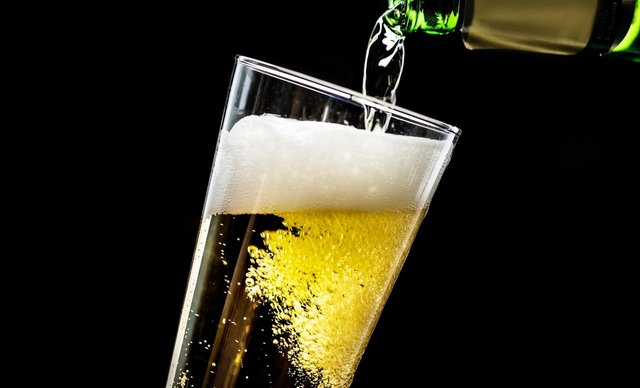
In America, beer is more than a beverage—it’s a backyard staple, a stadium companion, and a post-shift ritual that doubles as a surprisingly sharp economic indicator. It carries enough cultural weight that the federal government has spent the better part of a century tracking exactly what it costs to stock the fridge.
Since the early 1950s, the U.S. Bureau of Labor Statistics has logged the price of “beer, ale, and other malt beverages,” turning the simple six-pack into a fiscal time capsule. To trace the cost of beer through the decades is to watch the narrative of modern America unfold: from postwar booms and inflation spikes to the rise of premium crafts and the persistent, quiet climb of the cost of living.
Back in the 1950s, a six-pack was cheap enough to feel almost incidental, the kind of purchase you could make without thinking too hard about it. Beer was a mainstream, everyday product then, dominated by big national lagers and sold into a booming postwar economy. Wages were lower too, of course, but so were prices across the board. A six-pack was not yet a “premium” item, and nobody was standing in a bottle shop debating hop profiles or adjunct stouts aged in bourbon barrels. It was beer. Cold, fizzy, affordable beer.
By the 1960s, prices were still modest, but America was changing. The economy was growing, consumer culture was maturing, and beer remained one of the country’s most dependable grocery-cart staples. The six-pack was part of ordinary life, not a luxury and not really a niche indulgence either. In hindsight, this was beer in its most uncomplicated era, before inflation and modern branding turned every shelf into a price comparison exercise.
Then came the 1970s, when everything got weird, expensive, and a little less stable. Inflation hit hard across the U.S. economy, and beer did not escape it. The decade’s oil shocks, supply disruptions, and broader economic turbulence pushed up the cost of everyday goods, including alcohol bought for home consumption. Beer prices started climbing in a way that felt more noticeable, and the six-pack began its long evolution from cheap convenience to something people actually grumbled about at the register. Broad CPI data shows how inflation accelerated during this era, helping explain why beer, like everything else, became materially more expensive.
The 1980s did not exactly slam the brakes on that trend. Prices continued to rise, though the broader economy eventually stabilized compared with the inflation chaos of the previous decade. For beer drinkers, this was still an era when a six-pack remained accessible, but it was no longer quite the laughably cheap purchase it had once been. This was also the period when packaging, distribution, and national brand competition helped shape what beer cost and how it was marketed. Convenience mattered, branding mattered, and a six-pack was becoming as much a retail product as a cultural ritual.
By the 1990s, the price of beer kept climbing in nominal terms, but the bigger story was that Americans had begun to accept gradual price increases as normal. Beer got more expensive, but so did everything else. At the same time, the seeds of the craft beer revolution were taking hold. Consumers were beginning to pay more for flavor, identity, and local credibility. The old idea that all six-packs should cost basically the same was starting to crack.
That shift really took off in the 2000s. As the craft beer boom gathered steam, the six-pack stopped being one thing. It could still be a budget domestic lager. It could also be a pricier IPA, Belgian-style ale, or barrel-aged oddity with a label covered in tattoo art and mythology references. The federal data kept tracking average at-home beer prices, but beer shelves were becoming much less average. A six-pack now reflected not just inflation, but also choice, status, and a growing willingness among drinkers to spend more for something interesting.
Then the 2010s pushed that trend even further. Craft beer became normal. Imported styles became familiar. Limited releases and specialty packaging became part of the landscape. Cans went from second-class packaging to cool-kid default. A six-pack could still be affordable, but more and more often it was positioned as an “experience,” which is a very efficient way of getting people to pay extra. At the same time, official CPI data for beer at home continued to show that the category kept getting more expensive over time, even outside the craft bubble.
The early 2020s brought a fresh round of price pressure. Pandemic-era disruptions, higher input costs, labor issues, transportation headaches, and broader inflation all helped push prices higher across food and beverage categories. Beer was hardly alone, but it was definitely along for the ride. The BLS reported that the overall Consumer Price Index rose 2.7 percent from December 2024 to December 2025, while prices for beer, ale, and other malt beverages at home were also up year over year.
By 2025, the modern six-pack had become a pretty good summary of the American economy itself: still familiar, still beloved, but definitely more expensive than you remember. It is one of those purchases that sneaks up on you. You know beer costs more now than it used to, but seeing the long historical arc laid out year by year makes the point land harder. The six-pack did not just get pricier because beer changed. It got pricier because America changed.
That is what makes this kind of price history so oddly compelling. A six-pack is not just a beverage statistic. It is a little snapshot of what life cost at a given moment.
The year you turned 21, the price on that cardboard carrier reflected far more than the beer inside it. It reflected inflation, wages, energy prices, taxes, consumer confidence, shipping costs, and whatever strange economic drama the country happened to be muddling through at the time.
And that may be the most American part of the whole thing. Even after decades of inflation, market swings, and changing tastes, beer is still important enough that the government keeps tabs on it, and regular people still notice when the price jumps a dollar. Some economic indicators are abstract. A six-pack is not. And you don’t need a finance degree to understand what it means when your usual beer gets a little pricier.
About the Author: American Craft Beer