Quick Hits: Bolivian Cocaine Beer / World’s Largest Brewer Shrinks U.S. Footprint
Quick Hits: Bolivian Cocaine Beer / World’s Largest Brewer Shrinks U.S. Footprint
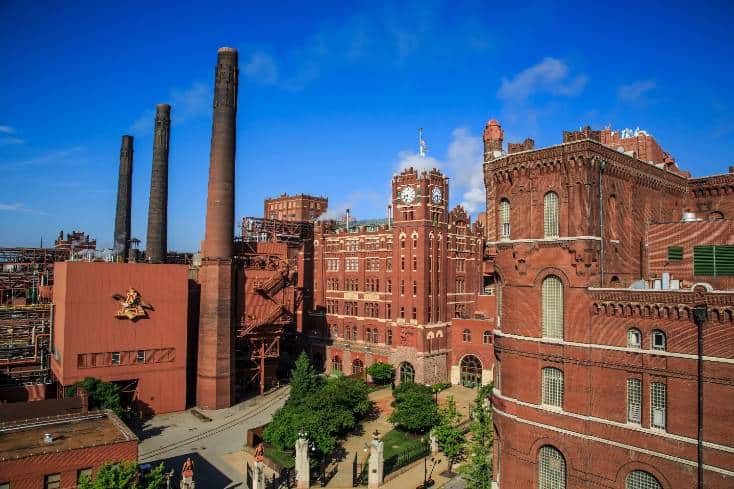
Anheuser-Busch St Louis brewery not closing / credit: Anheuser-Busch)
The beer biz never sleeps at American Craft Beer. And here’s just some of what’s been happening in the beer world while you were enjoying the weekend.
Decades-Old Anheuser-Busch Plants Slated to Close in 2026
Anheuser-Busch has confirmed it will close several US breweries in 2026 as part of an ongoing effort to streamline operations and modernize its manufacturing footprint.
The closures will include the company’s brewery in Merrimack, New Hampshire, as well as a facility in Fairfield, California. In addition, Anheuser-Busch plans to sell its Newark, New Jersey, brewery to the Goodman Group. According to a company spokesperson, approximately 475 full-time employees across the three locations will be impacted by the changes.
The company said all affected full-time employees will be offered roles at other Anheuser-Busch facilities within its U.S. network, along with relocation stipends and training to build skills for their new locations. Employees who choose not to relocate will be eligible for severance packages and access to additional support resources.
Anheuser-Busch framed the move as the latest step in a broader, multi-year effort to “update and modernize” its U.S. manufacturing operations. Over the past five years, the brewer has invested roughly $2 billion in more than 100 facilities nationwide, focusing on efficiency upgrades and long-term sustainability.
“We will be shifting production from these three facilities to our other U.S. facilities, and these changes will enable us to invest even more in our remaining operations and in our portfolio of growing, industry-leading brands,” a company spokesperson said.
The decision comes as the beer industry continues to adjust to changing consumer preferences and rising costs. Beer volumes have softened in recent years, particularly for legacy brands, while demand has grown for non-alcoholic beer, flavored malt beverages, and other alternatives. For large brewers with extensive production networks, consolidating output into fewer, more efficient facilities has become an increasingly common strategy.
While Anheuser-Busch emphasized that it remains committed to domestic brewing, the closures are likely to have a significant impact on the communities involved. Many of the affected breweries have long histories and serve as major local employers, making the transition a difficult one for workers and local economies alike.
For Anheuser-Busch, the 2026 closures underscore how even the biggest players in beer are continuing to reshape their operations to match a market that looks very different than it did just a few years ago.
Words To Drink By
“Always respect your superiors; if you have any.” – Mark Twain, American writer and entrepreneur
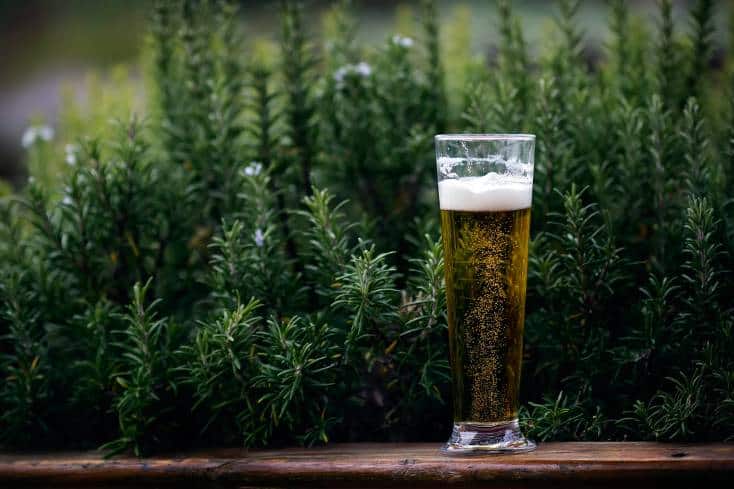
Cocaine Beer
You’re probably aware of that “Cocaine Bear” a black comedy horror movie that became a cult phenomenon back in 2024. But how about Cocaine Beer?
Bolivia the world’s third-biggest producer of the coca leaf and of cocaine is now home to a new innovation, a coca beer. And while we understand that calling it an “cocaine beer” is a stretch, coca is the main ingredient in cocaine, and its leaves have been celebrated by locals for their caffeine like qualities when chewed.
La Paz’s El Viejo Roble Distillery, which already makes coca rum and vodka products has launched a coca-infused brew set to hit the market at only $2 a bottle.
“Getting this beer to global markets may prove challenging” reports Gzero. “Although coca-leaf products are legal and crucial to the Bolivian economy, these products are not in many other countries owing to their UN narcotic classification.”
###
Got Something We Need To Know About? Send Your Press Releases to: pr@AmericanCraftBeer.com
About the Author: American Craft Beer

Get Social
Join Our Newsletter