How Flavor Culture Jumped From Craft Beer to Vaping
How Flavor Culture Jumped From Craft Beer to Vaping
There’s a pattern playing out across two very different industries right now. The consumer behaviour that transformed craft beer from a small hobby to a multi-billion-dollar industry has manifested itself in vaping. Mass appeal alone was not the way that growth could come in the beer world, but rather through curiosity, exploration, and wanting more personalised and refined experiences. Drinkers started to be sensitive to flavour notes, production process, and brand stories, and started making consumption a more engaged and choice-based activity. The same mentality is currently observable on vaping, where users are already interested in the devices, the flavour, and the quality of products.
This is a change that indicates a general change in the way people take lifestyle products. Consumers are leaning towards variety, customisation, and identity-based decisions, instead of the standard options that are available. There is the thrill of discovery, and control, and every choice made is unique and not standardised. As the history of craft beer culture has shown, such an involvement makes a mere habit more of an experience, a strategy that is still in play in the new markets, such as vaping. Not loosely. Not as a stretch. The similarities are distinct enough to warrant a closer examination, especially for those who are following the development of flavour in influencing purchasing behaviours in consumer markets.
Beer Changed How People Think About Taste
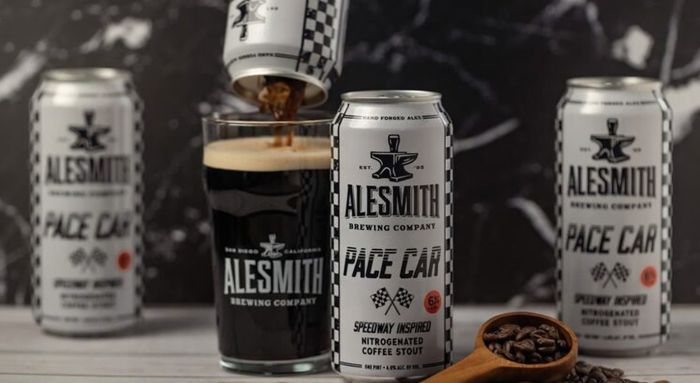
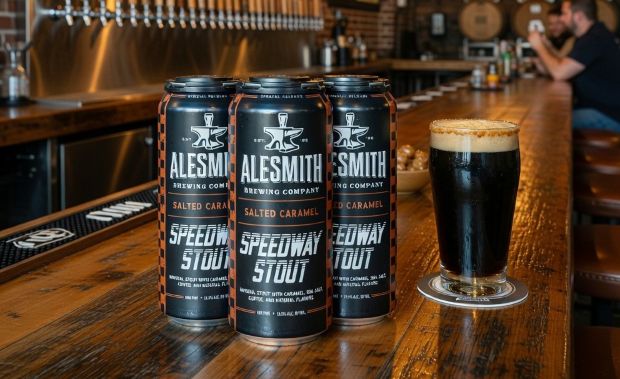
Take it fifteen years back, and you would not find a beer drinker who would tell you the name of a hop variety even in exchange for money. You have chosen a lager, you drank it, that is all. Craft breweries tore that up. The whole point was to have flavour. Would you have citrus or pine in your IPA? Coffee, or chocolate in your stout? These conversations began to take place all over. Not just in taprooms. At the supermarket. At house parties. Over dinner. It was now commonplace to have an opinion on beer in a manner that had never existed previously.
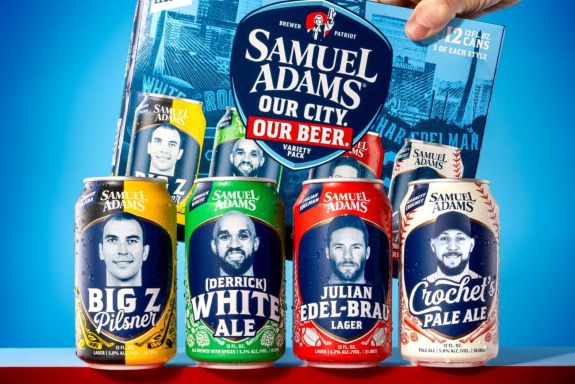
The Brewers Association reported 9,778 independent breweries across the U.S. in 2025, with over 443,000 jobs connected to the sector. Numbers like that tell you something shifted at a consumer level. Millions of people went from grabbing whatever was on special to actively choosing what they drink based on flavour. That’s a different kind of customer altogether. Someone who sees flavour selection as part of the purchase, not something that happens to them. And that mindset leaked out of the taproom fast. People who got comfortable choosing between thirty beers on a menu started wanting that level of choice everywhere else. Coffee went first. Spirits followed. Spirits followed. And then, in a market most beer drinkers probably never think about, vaping did too.
Vaping Went Through the Same Transformation
The early days of e-cigarettes were nothing like what the market looks like now. Two flavour options. Tobacco and menthol. Packaging that could’ve come off a pharmacy shelf. There was no culture around it. No enthusiasm. No reason to browse or compare. That was altered when manufacturers started visiting flavour as creatively and intentionally as they redefined modern beer culture. They diversified, instead of keeping within a small variety, to a large one with a large variety of profiles that are intended to provide a different sensory experience. Shelves were soon overloaded with choices, as there was a move towards exploration and personalised tastes. Fruit combinations. Dessert blends. Iced versions of everything. People reacted in a manner that they had already been conditioned to react towards craft beer. They became fond of tastes, loyal to certain brands, and began to suggest their favourites to anyone who could listen.
This was pushed by the boom of disposable vapes between 2022 and 2024. Such brands as Elf Bar and Elux featured forty or more flavour varieties each, in a format affordable to experiment with. You already know how it operates; just sit down beside a first-time drinker of craft beer and see them go through a tasting flight. Low risk. High variety. Constructed to have repeat customers who would not stop searching. The UK banned disposable vapes in June 2025. That didn’t end the flavour culture. It just shifted it. Consumers moved to bottled e-liquids and refillable kits. UK online retailers like Ecigone now carry hundreds of flavours across dozens of brands. Browsing those collections isn’t all that different from working your way through the craft beer aisle at a good bottle shop. You know roughly what you’re after. You’ll probably grab something unexpected on the way out.
The Consumer Behaviour Is Identical
Here’s where it gets hard to ignore. The language both communities use to describe their products is almost interchangeable. Tropical. Citrus. Smooth. Balanced. Sharp. Mellow. Even if someone’s talking about a hazy pale ale or a mango ice e-liquid, the vocabulary overlaps more than either side would probably admit. The buying patterns mirror each other, too. There’s always a loyalist who reorders the same thing without looking at anything else. An explorer who won’t buy the same product twice in a row. And the person who’s convinced their choice is objectively correct and won’t drop the subject until you’ve tried it yourself. Both industries know this customer very well.
As American Craft Beer has covered before, the curiosity that defines craft beer culture doesn’t stop at what’s in your glass. It extends into food pairings, whiskey, coffee, and anything where flavour is the main draw. Vaping sits in that same current of exploration. Different product, same underlying impulse.
Both Markets Are Facing the Same Pressures
Craft beer is under real pressure right now. The sector saw closings outpace openings for the first time in two decades back in 2024. Too many breweries chasing the same drinkers, costs going up, margins getting squeezed. That story is well documented on this site and across the industry. What’s less discussed is that vaping is walking into almost identical headwinds. The UK government confirmed a new excise duty of £2.20 per 10ml of e-liquid starting October 2026. Retail prices will climb across every format.
Brands that built their customer base on a cheap variety are about to find out how loyal those customers really are. Both sectors expanded by tilting on diversity and allowing people to experience their path to a favourite. An overcrowded shelf was included in the attraction-choice stimulated experimentation, and experimentation created a long-term bond. This strategy worked well where the costs of production remained within control, and the controls were allowed to be loose. The geography in the future of 2026 is different. There are higher margins, expectations, and the space for trial and error is diminishing.
To be successful, a combination of creative flavour innovation and sound business choices is now the order of the day. With beer, such a movement has already forced the manufacturers to work on polarising their core products and yet maintain seasonal and limited releases to ensure their continued focus. The vaping is settling under the same pressure. The model behind it is still there, and it is changing. The discovery is important,t but it requires backing by consistency, quality, and better positioning. Those brands that remain pipeline open and at the same time commercial have a better position to head through what lies ahead. Those who are dependent on the past momentum only will end up losing its relevance as the market matures.
About the Author: Beer Blog