Beer Briefs: A Sobering History Of Dry January
Beer Briefs: A Sobering History Of Dry January
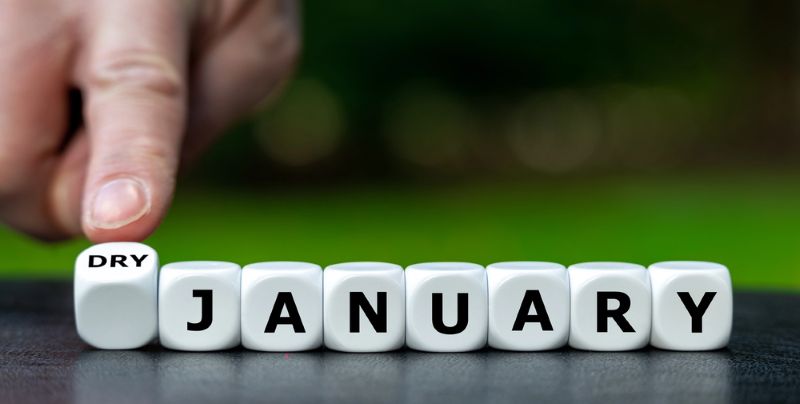
Every January, millions of people around the world are waking up with a collective headache—not from New Year’s Eve, but from the realization that they’ve voluntarily sworn off alcohol for an entire month.
It’s true…
Dry January has increasingly become a modern ritual, right up there with gym memberships and ambitious to-do lists. But while it feels like a very contemporary wellness trend, the idea of taking a break from booze has deeper roots than you might expect.
The modern version of Dry January began in the UK in 2013, when the nonprofit Alcohol Change UK launched the campaign as a public health initiative. The pitch was simple: take 31 days off from drinking and see how you feel. The results spoke for themselves. Participants reported better sleep, more energy, improved moods, and—perhaps most motivating—extra money in their bank accounts. What started as a modest campaign quickly snowballed into a global movement.
Of course, the concept of abstaining from alcohol for health or moral reasons is far from new. Temperance movements date back centuries, gaining serious momentum in the 19th and early 20th centuries. In the United States, that push famously culminated in Prohibition, a nationwide ban on alcohol that lasted from 1920 to 1933. And while Dry January and Prohibition couldn’t be more different in tone or execution, they share a common thread: the belief that stepping away from alcohol, even temporarily, can lead to personal or societal improvement.
Unlike those earlier movements, Dry January isn’t about guilt, morality, or permanent lifestyle change (well maybe a little, but still). There’s no pledge to stay sober forever and no shame if you opt out halfway through. Instead, it’s framed as a reset—a chance to reassess drinking habits after a season defined by office parties, family gatherings, and one too many celebratory pours.
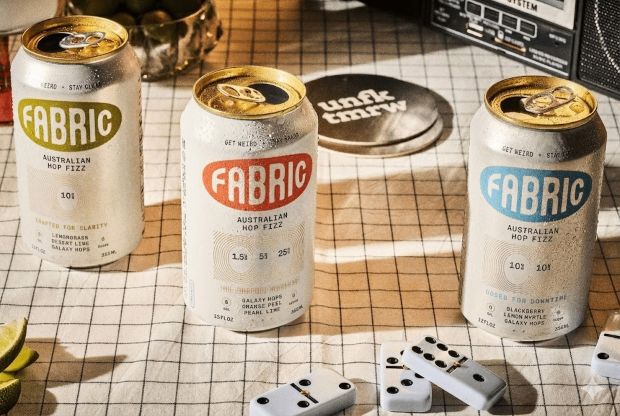
The campaign has also evolved alongside changing drinking culture. As no- and low-alcohol beers, mocktails, and alcohol-free spirits have flooded the market, Dry January has become easier—and arguably more social—than ever. Bars now host alcohol-free pop-ups, breweries release NA versions of flagship beers, and social media fills with creative zero-proof recipes. Taking a break no longer means sitting on the sidelines.
In recent years, Dry January has also sparked broader conversations about mindful drinking. Even those who don’t fully commit often cut back, skip weeknights, or rethink why they’re reaching for a drink in the first place. For some, January becomes a gateway to moderation rather than abstinence.
So whether you see Dry January as a health experiment, a financial detox, or just a way to recover from Winter holidays excess, its growing popularity reflects a shift in how people think about alcohol and conversation around changing one’s drinking habits has never been more real.
About the Author: American Craft Beer