Beer Briefs: The Impact of Cannabis Beverages on Dry January
Beer Briefs: The Impact of Cannabis Beverages on Dry January
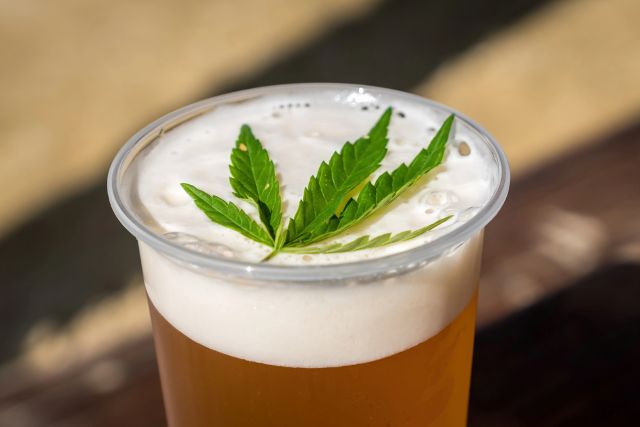
Dry January used to be pretty simple: stop drinking alcohol for a month, grit your teeth through a few awkward social situations, and count the days until February. But in addition to the growth of the NA beer sector in recent years, a new option has quietly worked its way into the equation—cannabis beverages.
As more states legalize cannabis and hemp-derived THC drinks pop up in grocery stores, liquor stores, and bars, a growing number of people doing Dry January aren’t necessarily going dry in the traditional sense. They’re just going dry from alcohol.
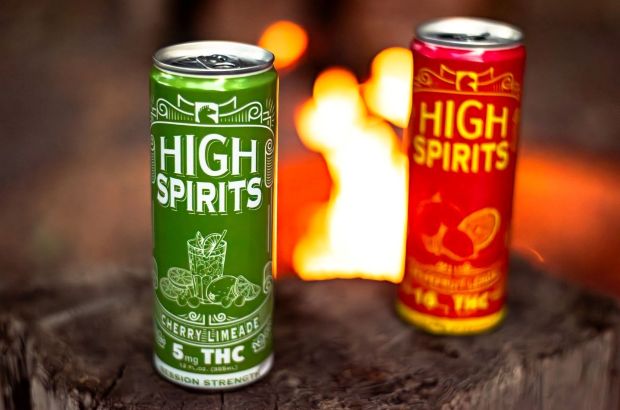
Cannabis beverages, often lightly dosed and designed to feel familiar to beer, wine, or cocktails, are becoming a popular substitute. For people who like the ritual of cracking a can after work or holding a drink at a party, these products offer a similar experience without the hangover, calories, or next-morning regret.
For some Dry January participants, that’s the whole appeal. Swapping a beer for a THC seltzer can still take the edge off after a long day, but without breaking the alcohol fast. Many drinkers say it helps them stick to the month-long break instead of bailing halfway through. From that perspective, cannabis beverages aren’t undermining Dry January—they’re making it more achievable.
The drinks themselves have also evolved quickly.
Early cannabis beverages were often clunky and unpredictable, but newer products emphasize consistency, low doses, and fast onset. A 2–5 milligram THC drink is now positioned less like a party drug and more like a “one drink” equivalent. Some brands even market directly to the Dry January crowd, highlighting clarity, better sleep, and zero hangovers.
Of course, not everyone sees cannabis beverages as a clean win.
Critics argue that replacing alcohol with THC misses the point of Dry January, which is supposed to be about resetting habits, not swapping one “high” for another. Health experts also note that while cannabis doesn’t carry the same risks as alcohol, it’s not risk-free.
And it’s important to note that in spite of what some THC beverage producers would like you to think, an alcohol buzz is completely different from a cannabis high. Alcohol can act as a social lubricant and for many a cannabis high is more of an interior thing, especially for people sensitive to THC.
Still, the cultural shift is hard to ignore.
Bars in legal states now host Dry January menus featuring THC cocktails. Friends invite each other over for “California sober” nights. Even longtime beer and spirits drinkers are experimenting, curious whether cannabis beverages could play a role beyond January.
What’s clear is that cannabis beverages are changing the conversation. Dry January no longer means sitting on the sidelines with a soda water. For many, it’s become an experiment in alternatives—rethinking not just how much they drink, but why they drink in the first place.
Whether cannabis beverages are a welcome loophole or a legitimate evolution of the Dry January concept probably depends on who you ask. If sobriety is the participant’s goal, most certainly not.
But one thing is certain: the rise of THC drinks has made the driest month of the year a lot more interesting.
###
And while we’re at it..
About the Author: American Craft Beer