The Most Underrated Beer Cities in America (That Aren’t Portland, Denver, or San Diego)
The Most Underrated Beer Cities in America (That Aren’t Portland, Denver, or San Diego)
When people trade lists of “best beer cities,” the same names come up so often that the rest of the map fades out. It starts to sound as if serious beer lives only in a few famous neighborhoods and everything else is an afterthought. In reality, beer has taken root in many other cities, often in workaday districts that rarely appear in travel magazines.
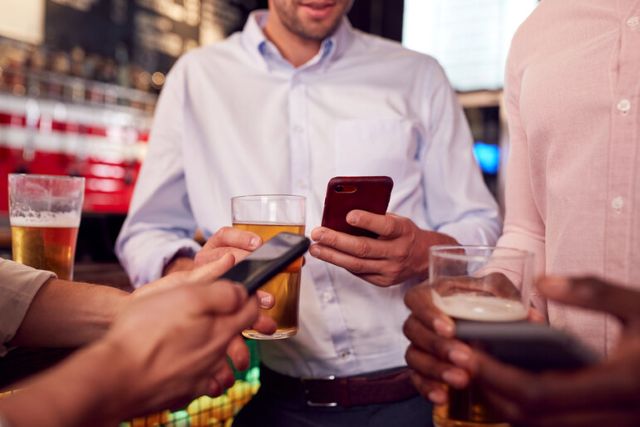
For many travelers, beer now fits in with other small habits. You walk a new neighborhood, check the score of a game, maybe burn a little time with something like crazy time online play, and then look for a place that pours local pints. From that angle, the question is less “Where is the biggest scene?” and more “Where does beer actually show up in everyday life?”
What Really Makes a Beer City
The first is density. There must be a sufficient number of breweries, taprooms, and beer-focused bars within local proximity so that one can have an afternoon around them within walking or easy transportation. When all the places to see are distant, beer remains an occasional event rather than a routine activity of a night out. The second is local participation. The city is not a beer destination because every year, visitors come to the city for a festival, and fly by plane. Weeknights are more important; in case there are individuals living in the neighborhood who visit the cinema on a specific day when new movies are released as a matter of the calendar, the scene is not on the sands.
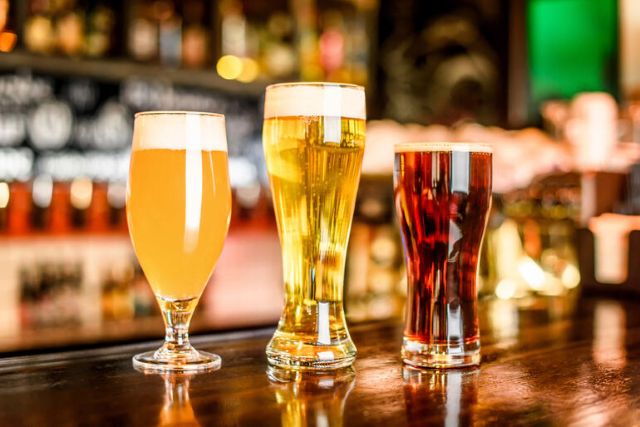
The third one is supply diversity. One style cannot sustain the beer city. It should contain lagers, hop-driven ales, darker beers in colder seasons, and little runs, which can try new ideas. When all of these three factors are in place, a city can carry beer in low, low tones even without a lot of external applause. With such considerations, it would be easier to understand why certain cities that are rarely commended in national ratings, nonetheless, serve as keen beer centers.
Asheville, North Carolina: Beer and the Mountain Economy
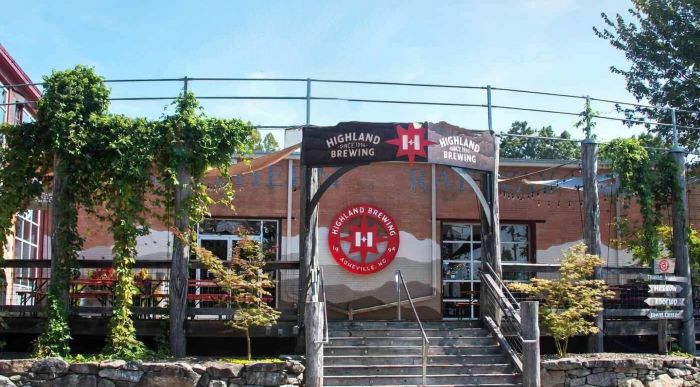
Asheville’s beer culture grows from its setting. The city draws hikers, service workers, and artists who keep varied hours and want a place to meet that does not feel formal. Breweries fill that role. They give visitors a goal after a day outside and residents a room that sits between home and work. The layout of the center matters. Breweries sit near music venues, bakeries, and small restaurants, making Asheville one of the most interesting beer cities in the world.
People move between them without much planning: a snack at one spot, a half-pour at another, a show later on. No business has to own the entire night, which spreads out revenue and keeps expectations modest. On the production side, Asheville supports both regional distribution breweries and small neighborhood operations. Some send beer across state lines; others sell nearly everything over the counter. Staff change jobs, recipes move with them, and practices spread informally, building a shared base of knowledge.
Grand Rapids, Michigan: Local Demand as the Driver
Grand Rapids looks like a midwestern workhorse: manufacturing history, colleges, healthcare, and logistics. Its beer scene fits that mix. Many customers come in after shifts or between family duties. They care about clear prices, stable quality, and the sense that they can walk in wearing whatever they had on all day. Because the customer base is steady, breweries plan in years, not seasons. Flagship beers matter.
So do decisions about canning, draft accounts, and shelf space in ordinary stores. Innovation happens, but mostly in small steps, variants on known recipes, a rotating tap or two, and seasonal offerings that may return if they earn their place. Viewed through an economic lens, Grand Rapids shows how beer ties into wages and rent. When costs rise faster than incomes, customers trim back visits or trade down. Producers feel that pressure quickly and adjust rather than chase every trend.
Richmond, Virginia: Beer and a City Rewriting Its Story
Richmond has spent years reworking its public symbols, riverfront, and former industrial corridors. Breweries arrived as tenants in old warehouses and factories, turning underused blocks into evening destinations. They did not create the debate over how the city should change, but they stepped into it. Richmond is often counted among underrated craft beer cities, with some taprooms hosting meetings or fundraisers, while others partner with food vendors who work out of trucks or small stalls.
A few use photos or displays to connect the current business with earlier uses of the building. These choices do not solve disputes over growth or memory, yet they show how beer can become one of the ways a city talks to itself. Richmond also shows the limits of beer-driven renewal. Popular taprooms push up demand for nearby housing and parking. Residents raise questions about noise and traffic. When people praise “underrated beer cities,” they rarely include this part, but it belongs in any honest account.
How to Judge an Underrated Beer City Yourself
Lists can point you toward promising places, but they cannot replace your own scan on the ground. Once you arrive, a few simple checks tell you most of what you need to know. Start with access. Can you reach several beer spots by walking or using basic public transport? Do you see local labels in supermarkets and ordinary restaurants, or only in specialist bars? Then look at who is in the room. Are people in work clothes stopping in for a single drink, or mostly visitors reading tap lists like travel guides? Neither pattern is right nor wrong, but each says something about whose city this is.
Finally, watch for patience. Breweries that have lasted a decade, regular events on the calendar, core beers returning year after year alongside new ones, these are markers of a scene that has moved beyond hype. Underrated beer cities in America may never dominate national rankings. That is part of their appeal. They show how beer, work, housing, and public space interact away from the brightest lights. Exploring underrated beer styles adds another layer of discovery. Pay attention to them, and you learn as much about the country as you do about what is in your glass.
About the Author: Beer Blog