The Rise Of Ozempic Impacts The Beer Industry
The Rise Of Ozempic Impacts The Beer Industry
Not long ago, the biggest threats to beer sales were rising ingredient costs, shifting tastes, and a younger generation drinking a little less than the one before it. Now, there’s a new wildcard in the mix — and it comes in the form of a small weekly injection.
Ozempic and similar GLP-1 weight-loss drugs have exploded in popularity over the past couple of years, promising reduced appetite, fewer cravings, and steadier blood sugar. For many users, that also means less interest in alcohol — and the alcohol industry has started to to notice.
“We’re beginning to see signs that Ozempic and similar medications are reshaping drinking habits in the UK,” Bell told the Drinks Business. “I’ve spent years tracking how health-driven behaviors influence alcohol consumption, and this is one of the most notable shifts yet.”
Across the industry, the chatter is the same: some drinkers are cutting back, skipping rounds, or opting out entirely. Beer distributors in several markets have quietly acknowledged softer volume among certain demographics, especially older, higher-income consumers — the same group most likely to have access to prescription weight-loss medications.
The science behind the drug is straightforward. GLP-1 drugs slow digestion and affect the brain’s reward system, which can dull cravings for food and drink alike. For people who once reached for a couple of beers after work, the habit simply doesn’t hit the same anymore. One beer feels like plenty. Sometimes none at all.
For big brewers, even small shifts matter. When millions of consumers reduce their weekly intake by a beer or two, the math adds up fast. Analysts have begun flagging GLP-1 adoption as a long-term headwind for alcohol sales, alongside wellness trends and the ongoing rise of moderation.
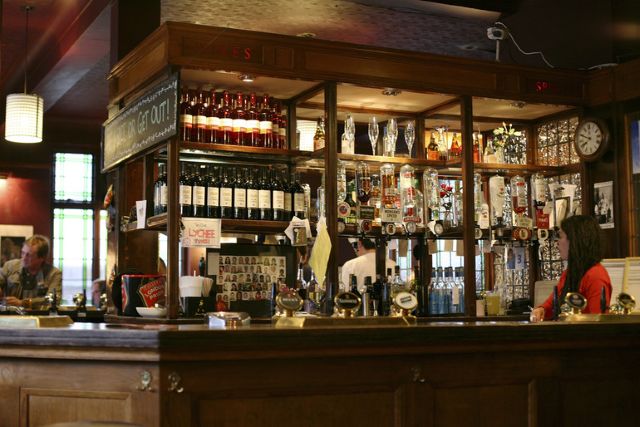
Craft beer isn’t immune, either. Taprooms thrive on occasion drinking — the pint with friends, the flight on a weekend afternoon. Brewers report that while foot traffic hasn’t collapsed, average tabs can look a little lighter. Fewer second and third pours. More water orders between beers.
At the same time, the industry isn’t panicking — at least not yet. Beer has weathered cultural shifts before, from low-carb crazes to hard seltzer booms. And unlike spirits, beer already plays in lower-ABV territory, giving it a potential advantage as drinkers look for lighter options.
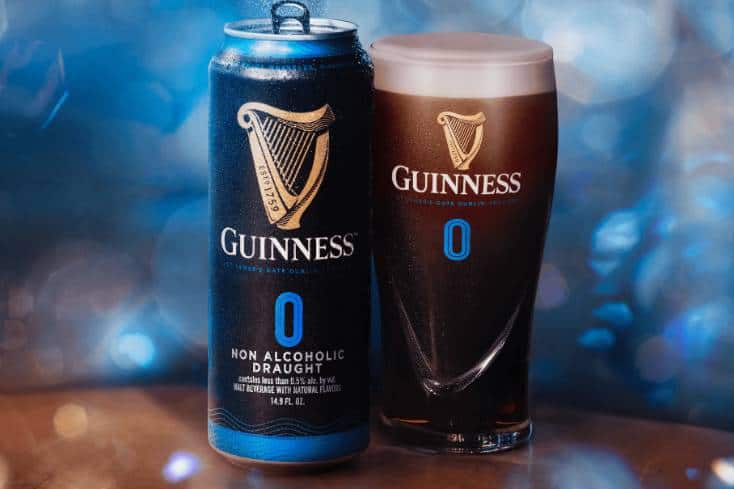
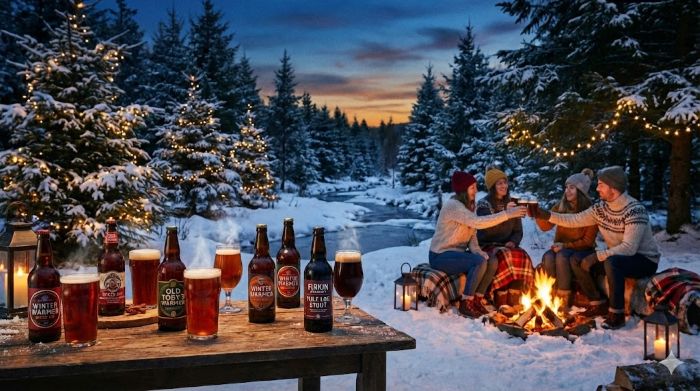
In fact, some brewers see opportunity in the change. Session beers, non-alcoholic offerings, and functional-leaning products are getting more attention. NA beer in particular continues to gain credibility, no longer treated as a consolation prize but as a legitimate choice — especially for consumers who still want the ritual without the buzz.
There’s also the reality that Ozempic isn’t for everyone, and not everyone who takes it gives up beer entirely. Many users report they still drink — just less often, and more intentionally. That shift could ultimately favor quality over quantity, a space where craft beer has long felt at home.
For now, Ozempic’s rise is another reminder that beer doesn’t exist in a vacuum.
Health trends, medical innovation, and cultural attitudes all shape the beer industry’s future, and what ends up in the glass.
About the Author: American Craft Beer