What the Hell Is An English Strong Ale?
What the Hell Is An English Strong Ale?
 You’d think after all these years covering the latest beer news that the American Craft Beer crew would have every style, substyle, and obscure brewing tradition mapped out like a subway system. Spoiler: we absolutely do not. And that’s exactly why beer stays fun.
For every IPA variant we think we’ve nailed down, there’s some old-school British style lurking in the shadows—waiting to remind us how little we actually know.
Which brings us to the English Strong Ale, a big, bold, malt-loving style with roots older than most countries and the personality of a Victorian pub regular.
The Basics
“English Strong” isn’t a single tidy category—think of it more like a family of malty British ales that fall above the everyday pint and below the “why is this so boozy?” scale. These beers are built to bring warmth, depth, and a bit of swagger, especially once the weather starts turning dreary.
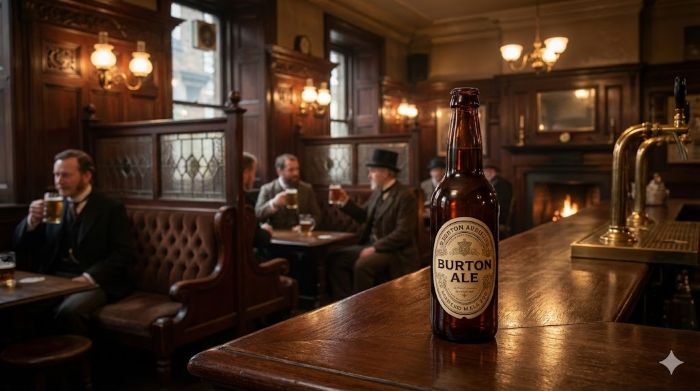
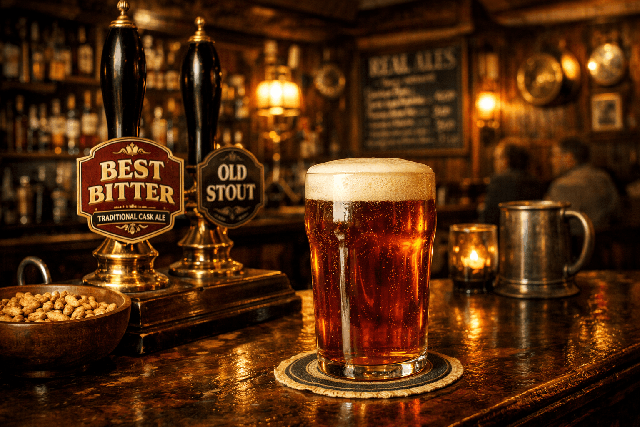
Historically, English Strong Ales were the heavy hitters of the pub world—richer, fuller, and higher in alcohol than the bitters and milds people knocked back on the daily. If you’re picturing big malt sweetness, dried fruit notes, and a gentle-but-firm hop presence, you’re already in the right neighborhood.
They tend to break down into a few overlapping categories—Old Ales, English Strong Ales, and even some Barleywine-adjacent offerings. Brewers didn’t exactly leave behind a neat instruction manual, so definitions are blurry by design. What ties them together is malt: caramel malts, toffee malts, biscuit malts—basically anything that screams “I came from grain and I am proud of it.”
Hop character is there, sure, but mostly in a supporting role. English varieties like Fuggles and East Kent Goldings add earthy, herbal, or slightly floral notes, more like seasoning than a main event.
Trying to track a specific origin story for English Strong Ales is an exercise in futility—they evolved slowly over centuries, shaped by taxes, technology, and the British weather being… well, British.
 What They Taste Like
Expect layers: toffee, dark fruit (think raisins or figs), toasted bread, maybe even a touch of molasses depending on the brewer. The body is usually full without feeling syrupy, and the finish is often smoother than you’d expect for a beer that regularly clocks in between 6% and 9% ABV.
They’re the kind of beers that make fireplaces feel warmer and rainy nights feel less personal.
Popular Examples
Samuel Smith’s Old Brewery Pale Ale – A classic take from one of England’s oldest independent brewers—malty, refined, and built for sipping.
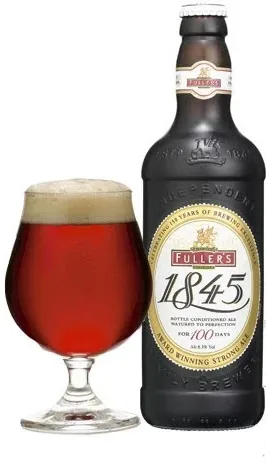
Fuller’s 1845 – A rich, robust strong ale aged for 100 days before release, offering caramel, dried fruit, and a distinctly British hop backbone.
Harvey’s Elizabethan Ale – An English Strong Ale bursting with sherry-like depth, dark sugar notes, and a warming finish.
North Coast Old Stock Ale – American-made but British-inspired, this malty heavyweight is known for aging beautifully—if you can manage to keep your hands off it that long.
Food Pairings? Definitely, Along With A Roaring Fire
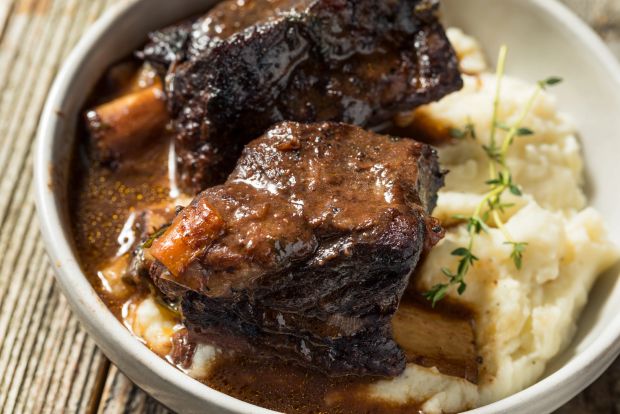
English Strong Ales love hearty meals: roasted meats, stews, sausages, sharp cheddar, aged gouda, sticky toffee pudding… honestly, it’s hard to go wrong. They’re also excellent as a standalone nightcap—the kind of beer you sip slowly while pretending you’re reading a book but actually just enjoying the buzz.
Our Take
At American Craft Beer, we’ve got a soft spot for styles with history, and English Strong Ales bring that in buckets.
They’re rich without being overbearing, complex without being complicated, and endlessly rewarding if you give them time. They may not have the flash of the newest Hazy IPA or Pastry Stout, but they’ve got soul—and sometimes that’s exactly what you’re looking for, especially as we look to the winter holidays.
###
About the Author: American Craft Beer

Get Social
Join Our Newsletter