6 Red Flags That You’ve Walked Into a Bad Brewery
6 Red Flags That You’ve Walked Into a Bad Brewery
The American Craft Beer crew has visited hundreds of craft breweries over the years, and honestly, most of them have been great. Brewers tend to be passionate people, and that usually shows up in the glass.
But with more than 9,700 brewing operations currently active in the US, not every place is getting it right. Some spots are doing themselves—and their customers—no favors at all.
And here are some of the clearest warning signs that you’ve visited a brewery that’s missing the mark.
The Beer Tastes… Off
Above all else, the beer should taste fresh, balanced, and intentional. If your first sip delivers strange, unintended flavors—think buttered popcorn (diacetyl), wet cardboard (oxidation), or a funky sour note that definitely wasn’t on the menu—something’s wrong.
These aren’t quirks; they’re quality control failures. A well-run brewery catches those issues long before the beer ever hits the tap.
The Place Smells Like a Mop Bucket
A brewery should smell like malt, hops, and fermentation—not like a dirty dish rag. If the air is thick with mildew, stale beer, or harsh cleaning chemicals, it’s a sign sanitation isn’t taken seriously.
We once toured a brewery that smelled more like a gas station bathroom than a production space, and that’s not an exaggeration. In brewing, cleanliness isn’t optional—it’s the whole game.
The Tap Lines Are Filthy
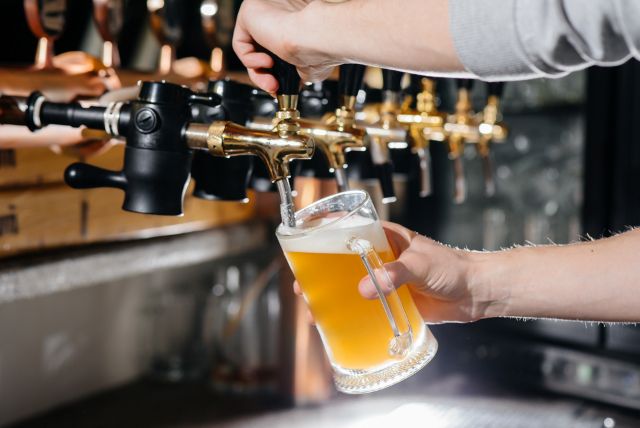
Ever had a beer taste sour, metallic, or just plain wrong when it shouldn’t? Dirty tap lines are often the culprit.
If a brewery isn’t cleaning its draft system regularly, bacteria and old beer residue can wreck every pint, no matter how well the beer was brewed. Good breweries treat line cleaning like religion.
Every Beer Tastes the Same
One of the joys of visiting a brewery is variety. Different styles, different approaches, different flavors. So if everything on the menu shares the same odd aftertaste, that’s a problem. It usually points to sloppy processes, tired ingredients, or lazy recipe development.
A solid brewery lineup should show range—and execute each style with intention.
Dirty Glassware
How important is clean glassware to the craft beer experience? Extremely. Most of us wouldn’t drink anything out of a dirty glass, and beer is no exception. Lipstick marks, soap residue, or random smudges are instant buzzkills.
A properly poured beer deserves a properly cleaned glass. No shortcuts.
The Staff Has No Clue
Great breweries are powered by people who actually care about what they’re serving. If the staff can’t explain the difference between an IPA and a porter—or seems bored by the question altogether—it’s not a great sign. And if the first recommendation you get is a hard seltzer, run like a dog.
Knowledge and enthusiasm go a long way towards validating a brewery and ensuring it’s worth your time.
Additional Warning Signs
- A beer flight served in tiny red Solo cups. We wish we were kidding.
- It’s January, and an Oktoberfest beer is still on tap. Exit immediately.
- You walk into a brewery on a Saturday afternoon and the place is completely empty. More often than not, there’s a reason—and it’s usually not good.
- The brewery proudly offers Bud Light alongside its own beers. Proceed with caution.
Bottom Line
Not every brewery is going to be world-class, but still, the basics matter. When the fundamentals are missing, it usually shows up fast— sometimes, and hopefully, even before you’ve ordered.
###
About the Author: American Craft Beer