Why High Altitude Keeps Sabotaging Colorado’s Draft Pours
Why High Altitude Keeps Sabotaging Colorado’s Draft Pours
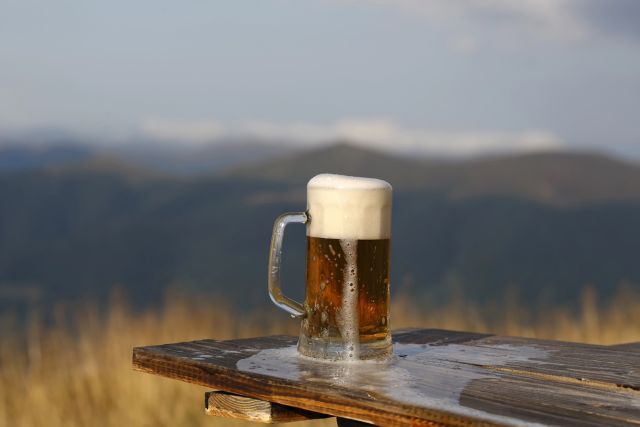
Denver is a mile above sea level, which can present some problems for breweries and brewpubs serving draft beer.
The taproom should be aware that during GABF week, everything must be tightly standardized, even when there is a lot of activity in the taproom. Customers can be put off by about the same amount of foam in one glass, and a flat glass in the next, no matter their origin from the same keg and draft line.
Why This Keeps Happening Now
The Colorado craft beer industry has come a long way in the past decade, and taprooms continue to spring up at altitudes beyond the capabilities of most draft beer brewers.
But it isn’t a criticism of the equipment. All it is is physics butchering from the attentions of ambition. Since the atmospheric pressure changes affect the behavior of CO2 inside the line, most systems that are installed down at sea level will never consider how this affects the system.
What’s Actually Happening Inside the Lines
Draft beer is a balancing act of pressure, temperature, and draft lines of resistance. The tah delivers the information to the reader switch in the display, but at altitude, CO2 would actually like to come out of solution even sooner, causing the balance to shift before the tah moves. Proper draft system design helps account for factors such as elevation, gas pressure, line length, and cooling to keep pours consistent.
Installing it in a city with different climates,s like Chicago for one or Houston for the other, will have a different response. Same equipment. Different rules.
Foam, Flat Beer, and the Temperature Trap
Foam is typically the initial symptom people will see. The sneakier issue is flat beer, and it can be caused by a glycol chiller operating too cold or too hot at the altitude it’s operating at.
Get the temperature wrong by even a few degrees, and the carbonation balance shifts enough to notice. Experienced brewers pouring each batch understand that precise temperature control is essential, as regulars notice changes in beer quality fast.
Old Lines, New Problems
Another problem found in older bars using legacy beer towers is the use of old and out-of-date tubing and couplers; these have never been adjusted according to the new equipment or tower’s location.
Turning a small eye into a big eye, the world’s changing. A fob slightly worn can give the impression of pouring freely and at random, but this is very rare.
What This Means for Bar and Restaurant Owners
For owners juggling a packed GABF weekend or a Thursday happy hour rush, inconsistent pours are more than a nuisance. They cost product, they cost tips, and they frustrate the regulars who know exactly what a pint should taste like.
Denver Beverage technicians, who work across the Front Range, are often the ones called in to troubleshoot a commercial draft beer system once foaming or flat pours start showing up at altitude.
How to Choose the Right Fix
First, eliminate the obvious careless factors such as cleanliness of the lines, pressure settings of the CO2 in the kegs, and the temperature of the CO2. If those are still correct, it may be that the keg isn’t the problem, and it’s likely a calibration issue, as they are designed to work with each other.
Seek service professionals who are based in Colorado and not a national service hotline reading from a script. But there isn’t, really, any altitude troubleshooting in the book of knowing what to do at sea level.
Final Thoughts
As more breweries and taprooms spread across the Front Range and into Colorado’s mountain communities, maintaining consistent draft beer quality will become increasingly important. For businesses investing in Colorado draft systems, regular system checks and careful calibration help ensure every pint meets customer expectations, even during packed festival weekends when a smooth pour and fresh beer can make all the difference to the taproom experience.
About the Author: Beer Blog