Why Coffee and Beer Became an Unexpected Global Flavor Combination
Why Coffee and Beer Became an Unexpected Global Flavor Combination
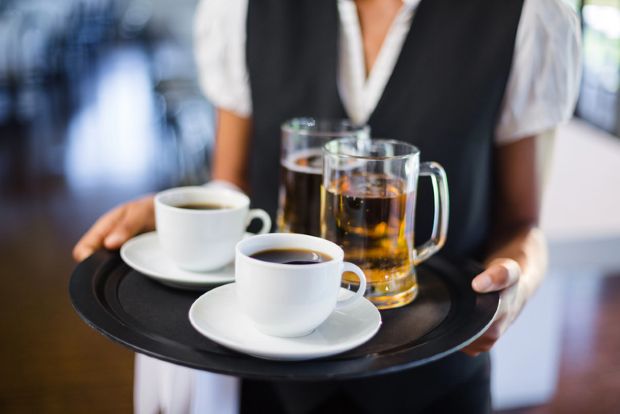
Normally, coffee and beer go together. People drink coffee in the morning, at work, or when joining a casual afternoon with friends, yet they drink beer with friends, during meals, at celebrations, and at nighttime occasions. In spite of this, the two have begun to align themselves more and more and even brewed a novel trend with the rise of coffee-infused beer.
Brewers now utilize products like espresso, roasted coffee beans, and cold brew to infuse unique accents into different styles of beers throughout the craft brewing scene in all countries. Can combine roasted bitterness and natural sweetness, rich aromas and malt character. Coffee beer is part of the wider trend of contemporary coffee culture, as familiar tastes are finding new avenues to blend into unusual and inventive coffee experiences.
Why Coffee and Beer Work Together
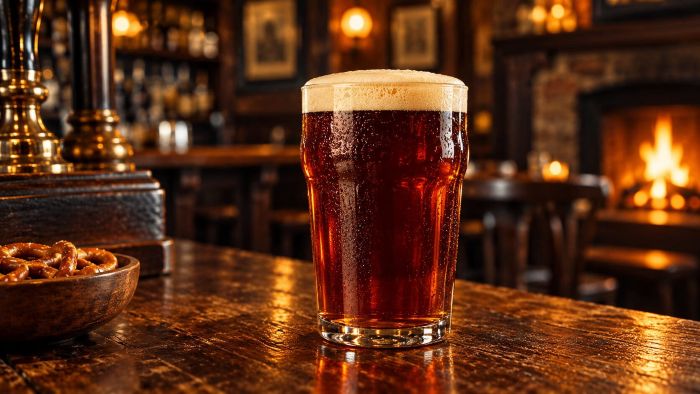
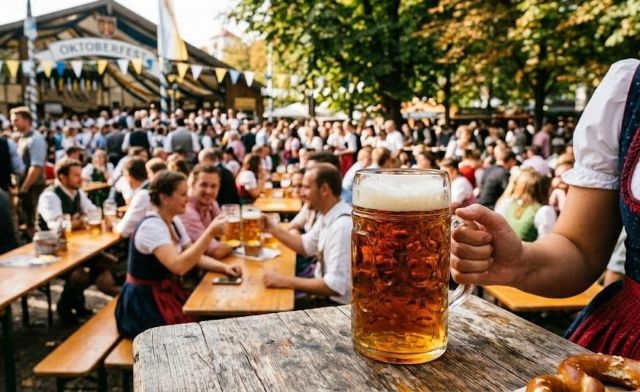
At first glance, coffee and beer appear to have too many competing characteristics. Both can be bitter, aromatic, and intensely flavored, but those similarities actually explain part of their compatibility, especially at a beer festival. Coffee is created with naturally occurring compounds that have the ability to impart roasted, nutty, chocolate, fruity, and even smoky notes to the brew. The flavors of beer are created through its ingredients and processes that include malt, hops, yeast, and brewing methods. In darker varieties,s roasted malts can already be used to make flavors similar to coffee.
The overlap creates this natural synergy and puts us in a fantastic position to consider the possibilities for the additions we make in coffee. And, as it turns out, stouts and porters make a great basis for those additions since their malt comes in a variety of forms. If the brewers are not looking to come up with a whole new flavor, they can work on the trail of the roasted malt to develop another level of depth and complexity in the beer.
The result of this beer will have anywhere from a subtle coffee flavor to a strong coffee finish and intensity, similar to a fresh cup of espresso, depending on the type of brew and quantity of coffee employed in the blend.
The Rise of Craft Brewing Changed the Combination
Coffee-infused beer gained attention as the craft brewing movement encouraged brewers to move beyond conventional ingredients and explore more creative combinations. Brewers started incorporating everything from spices and fruit to chocolate, vanilla, tea, herbs, and coffee into their recipes. American coffee was particularly appealing because its recognizable character could introduce an entirely new dimension to a beer without making the flavor unfamiliar to consumers.
Meanwhile, specialty coffee culture was in the ascendant. Their interest in the origin of their coffee, how they were roasted, the various ways of preparing it,t and the particular properties of individual varieties grew. Coffee was no longer viewed as a caffeine source “just for getting through the day”, but as an item of its own flavor and comfort with a range of various qualities.
Different coffees meant brewers could craft a beer more in the character that they preferred. The versatile use of beans,n strong with a cocoa-like or nutty characteristics, might improve a rich stout; beans which have more fruit-notes may add a more expressive aroma and taste. This combination ultimately gave us a chance to see and talk about the crafting of the coffee and of the specialty.
Coffee Beer Is More Than Just “Beer With Coffee”
One reason why “cappuccino” is such a popular brew idea is that there are lots of options to choose from! Coffee can be produced at any stage of crafting coffee, in many different forms, such as whole beans or freshly ground coffee, as well as “cold brews,” soluble coffees, and other methods of coffee extraction. Each of these methods will alter the texture of the coffee usable in the beer and how much flavor, aroma, and bitterness are left in the brew.
Butterfly dancing in fancy can also have a significant impact on the outcome. An imperial stout often has a more pronounced and intense coffee flavour than an ale. It’s possible that porters add roasted, chocolate aromas, while milky stouts complement coffee more with their underlying, sweet, maltier characteristics.
With these options, coffee beer has no fixed taste and can’t strictly be defined. Rather, it may come in many forms, depending on the ingredients and brewing method.
The concept of re-presenting something familiar and presenting it in another way is also seen throughout food and entertainment culture. For example, traditional fairground-style experiences associated with the keyword Peryagame on GameZone show how well-known concepts can be adapted into new and engaging formats. In both cases, the appeal comes from experiencing something recognizable in a way that feels different and unexpected.
Coffee Culture Helped Make It Familiar
The spread of ‘café culture’ around the world contributed greatly to the ‘coolness’ of coffee beer. The international spread of ‘café culture’ had an important impact on the ‘coolness’ of coffee beer. Coffee shops have become a place for people to connect, work, brainstorm, relax, and try new coffee flavors. Since specialty coffee has grown more ubiquitous, customers have begun to increasingly consider the drinking experience of their coffee over just its strength.
If Beer Culture underwent a similar transition, you’re in the right place. Hop varieties, malts, yeast strains, brewing techniques, regional beer styles, and the nuances of the tasting experience gained more attention from craft beer enthusiasts. As folks got used to considering beer by means of flavor and aroma, the use of coffee didn’t appear significantly odd any longer.
There are a number of overlaps between the descriptive terms for coffee and beer. Natural terms like roasted, bitterness, nutty, chocolatey, fruity, smooth, and aromatic are applicable to both drinks. Commonly used flavors in coffee beer make it more enjoyable to drink and purchase, and help consumers grasp the connection between the two.
Why the Combination Became Global
However, coffee and beer already had a solid relationship with people all over the world, which enabled the idea of coffee beer to transcend a single culture. Coffee is cultivated in all parts of Latin America, Africa, and Asia, and beer has developed a history in Europe, Asia, the Americas, Africa, and Oceania.
Combining these provided a chance for brewers to link up a well-known foreign idea with native regional ingredients and traditions. The brewers would be able to select locally roasted coffee, regional beans, traditional brewing techniques, and/or unique beer styles and thus develop their own interpretation.
The flexibility allowed for the coffee beer to not be a specific country or brewing tradition. Rather, it might be flexible with regard to local markets and preferences and/ or market or region-specific.
Let’s take the example of the Philippines. There has been a growing interest in locally produced coffee, providing new opportunities for coffee-brewers interested in experimenting with local coffees. Regions like Benguet, Sagada, and others growing coffee in the Philippines have brought them more into the spotlight and have boosted awareness of the local coffee characteristics.
This means that a Filipino coffee beer has the potential to link the familiarity of beer with locally grown coffee to the identity of locally grown coffee.
The Flavor Psychology Behind Coffee Beer
Also, a familiarity that likely contributes to the appeal of coffee beer can explain it. Flavors and characteristics that are familiar to people will make them more willing to try something new. If you’re not a conventional beer lover, you might find yourself questioning the merits of coffee beer, but some of its individual sensory components will make you familiar to the coffee aficionado. Echos of espresso, cocoa, roasted grains, and caramel foam will offer instant clinching smells.
When you’re familiar with both things, it can seem like more of a Crea.No re: Two things when you’re familiar with both of them!
Other venues run models that are instances of the same principle used in the booklets, a generalization of traditional experience into a contemporary interpretation. The concept ‘Peryagame’ on GameZone applies, for instance, when a gaming phenomenon like the classic fairground game can be enjoyed through a game zone that gives it a contemporary touch.
You can do the same with coffee beer. It creates a new drinking experience, but without changing any of the sensory attributes that consumers are familiar with.
Is Coffee Beer Just a Trend?
Coffee beer has been around long enough to demonstrate that it is more than a short-lived curiosity. Its future, however, depends largely on how creatively and carefully brewers continue to use coffee as an ingredient.
A beer does not necessarily become successful simply because it has a powerful coffee flavor. The best examples depend on balance and create brewing opportunities for further experimentation. Too much coffee can introduce excessive bitterness and hide the characteristics of the malt and hops, while an insufficient amount may leave the coffee contribution barely noticeable.
This gives modern brewers plenty of variables to explore, including bean origin, roast intensity, extraction technique, beer style, and sweetness. Continued experimentation with these elements can help keep coffee beer interesting for both brewers and drinkers.
Why the Combination Continues to Fascinate Drinkers
When one considers the similarities of coffee and beer, it’s not so surprising that the favored pair is emerging as a successful cross-curricular venture in the world. Both drinks have complex layers of flavour, varying levels of bitterness, regional variations to the drink,k and a culture that appreciates the nuance of flavour.
ADFIM also has a healthy culture of experimentation and is a natural fit for some creative combinations, as is the print industry.
Coffee ‘Beer’ is a testament to the possibilities that can be achieved when two strong brands unite together and yet each maintains their identity. The “coffee still” has some of the attributes of a traditional American coffee pot brewed with a coffee of traditional origin, and the “beer characteristics” remain in the beer, though the interaction creates something that complements neither of its authentic counterparts.
It’s a blend of familiar and unfamiliar that gives some insight into the world’s enduring appeal of coffee beer. It also shows why unexpected flavor combinations, including concepts such as Peryagame on GameZone, continue to attract modern audiences looking for familiar experiences presented in different ways.
About the Author: Beer Blog