RTP and ABV: The Two Numbers Worth Reading Before You Commit
RTP and ABV: The Two Numbers Worth Reading Before You Commit
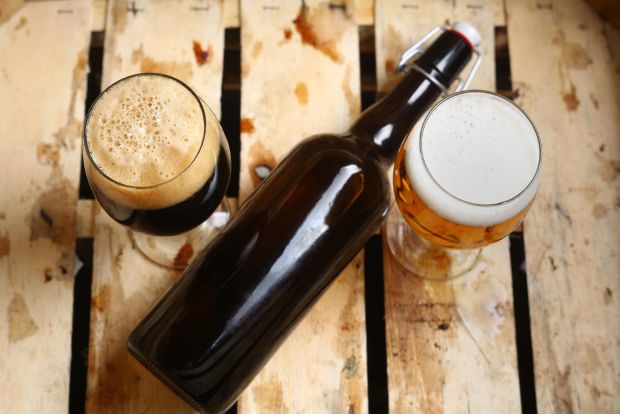
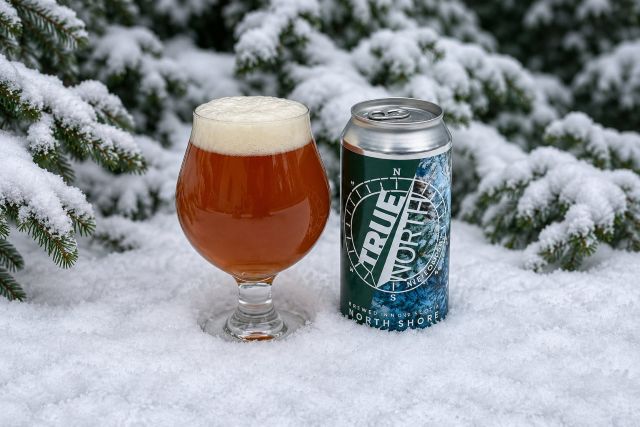
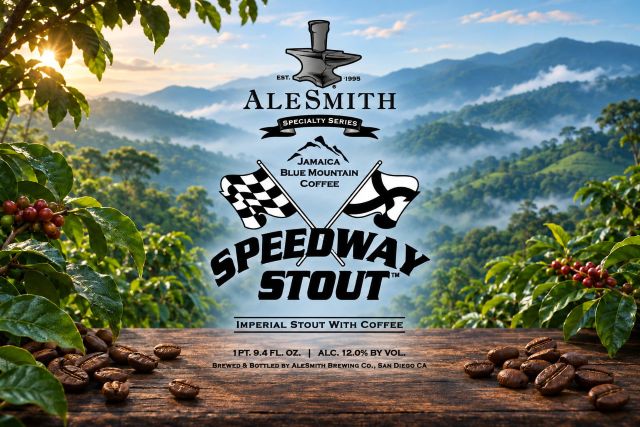
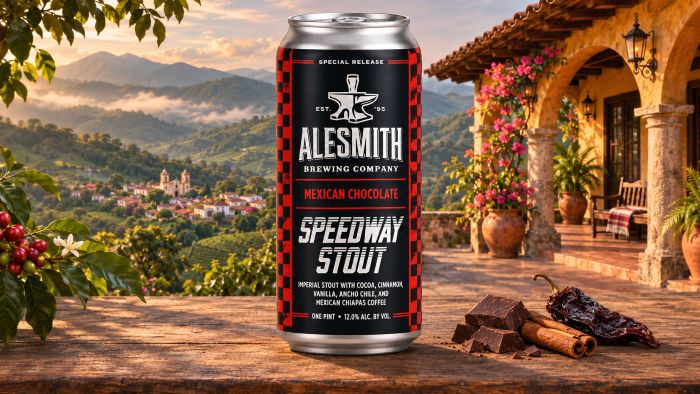
Even a beer label can give some information about the beer before you open it, and a craft one will convey even more. There will be the brewery name, the beer style, and possibly some tasting note comments on citrus, coffee, or hops. The other info you’ll likely want to look at is, of course, ABV, somewhere on that label.
Percentages appear in various industries, but are not always as they appear to be. Another situation where there is a number that needs some context is in regard to RTP in games. Both of them are based on individual reading the fine print. But we’ll begin with the one that is most popular among craft beer lovers.
ABV: What Does That Number Tell You?
ABV means “alcohol by volume”. Displays the alcohol content of the beverage as a percentage.
Beer with 5% ABV is 5 per cent alcohol. A stronger imperial stout could be as high as 10%, which is double the alcohol content.
Simple enough. However, more must be taken into account.
ABV does not necessarily indicate the quality of beer. Your 6% IPA could be accused of being sharp and bitter, while a stronger Belgian ale could taste sweet and fruity.
The number also needs to be read alongside serving size. A 16-ounce can at 7% ABV contains more alcohol than a 12-ounce can at the same strength.
That’s why knowing the percentage is useful. It provides a clear measure of strength without making assumptions about flavor or quality.
Why Craft Beer Drinkers Care About Strength
Making and drinking craft beer is so much more than about the alcohol content. Many of its charms lie in its flavor, its methods of brewing, and the variety of styles.
However, power also makes an impact on consumer beer selection.
Some session IPAs will not be as intense as double IPAs. However, a classic pilsner is typically 4-5% ABV, while barrel-aged stouts can reach and even exceed 10%.
There is no easy fix to which type is the superior mode.
In fact, the Brewers Association’s 2026 consumer survey revealed interesting brewing numbers, with consumer interest growing at both ends of the alcohol spectrum. Fifty percent of craft beer consumers said they want lower alcohol versions of this beer, and 60% want higher alcohol versions of this beer.
That is a clue as to what the marketplace tells us. Not everybody is in search of the same thing.
Others want a less oaked beer that will have a delicate drinker’s tail. Others will be attracted by daring looks with obviously richer malty and aromatic bouquets.
While many of these decisions can be made with the help of ABV, individual preferences still play a role.
RTP: Another Percentage That Needs Context
Numbers may be useful, but that’s only if they are measuring something.
Return to Player means returning to the game. It’s a gaming term that refers to the amount of money that you should be able to expect to win as payouts for playing a game over a high number of plays.
It is not correct to interpret an RTP of 96% as meaning that the game pays out on average 96% of what players put in, since the actual number is dependent on an RTP over an extremely large number of spins.
It doesn’t come from saying $100 is spent and $96 is given out.
A quick session can have a very different outcome! RTP shows a trend of average (long-term) results, rather than an actual result.
Licensed platforms publish this figure for each game. At an online casino like Betinia, for instance, RTP sits in the game information panel next to the rules, so you can check it before you play.
Why Reading Labels Still Matters
Craft beer has grown into a category where consumers can learn a great deal about what’s inside the package. Brewery websites often explain hop varieties, fermentation methods, and the thinking behind each recipe, while labels provide useful details, too. For consumers who also enjoy online entertainment, taking a break to play slot games offers a different kind of leisure alongside exploring new craft beer releases.
Perhaps one of the most readily available pieces of information is still ABV. It provides insight into the strength of the alcohol in the drinks and how much is served before deciding which beer to purchase.
The understanding of this also supports moderation. By knowing the percentage, people can make more informed choices about how much alcohol to consume, as well as understand the amount of alcohol per ounce that is occurring in the Higher-ABV products.
So we need to go back to the importance of a number that is well explained. Other than being percentages, there isn’t much that can be said about RTP vs ABV. They will not mean the same thing, don’t mean the same things, and shouldn’t be regarded as substitute tools.
Yet they illustrate a useful point: a number becomes meaningful when you understand what sits behind it.
For craft beer fans, that starts with ABV. Read the label, check the serving size, and pay attention to the beer’s style. The best choice isn’t always the one with the biggest number. It’s the one you understand.
About the Author: Beer Blog