Munich Oktoberfest: The Beer, History And Traditions Behind The World’s Biggest Beer Celebration
Munich Oktoberfest: The Beer, History And Traditions Behind The World’s Biggest Beer Celebration
Oktoberfest gets celebrated just about everywhere nowadays. And why not. It’s a beer-meets-fall-leaves appeal suits the season so perfectly that it’s almost transcendental.
But there’s only one Munich Oktoberfest.
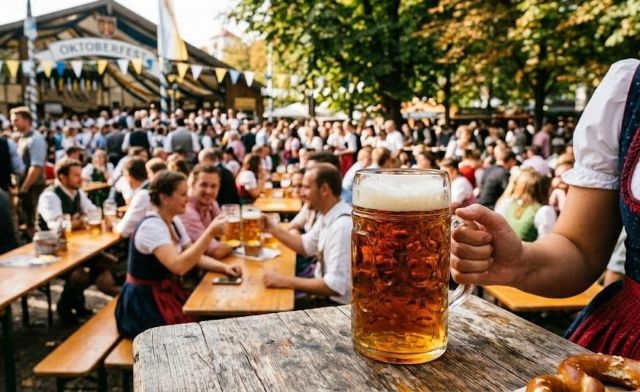
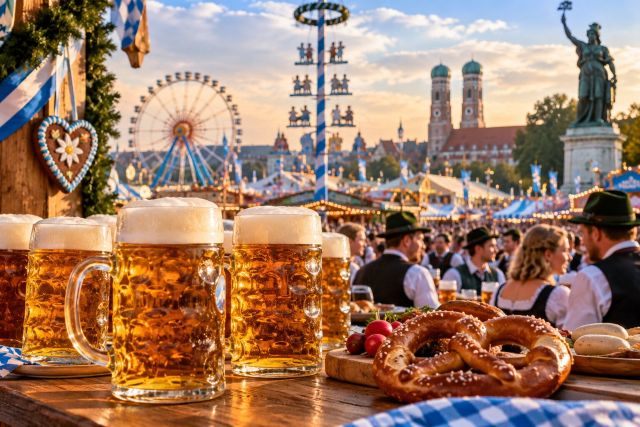
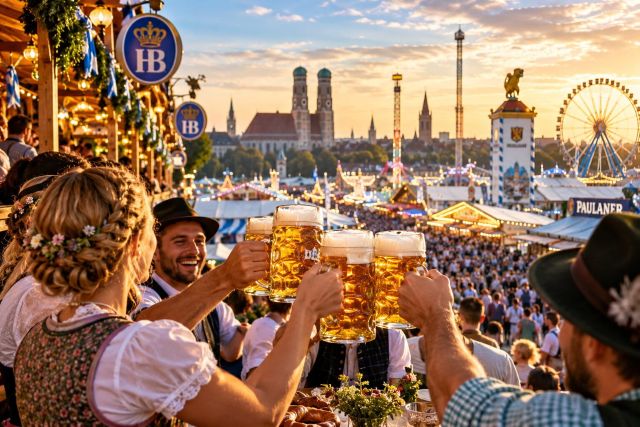
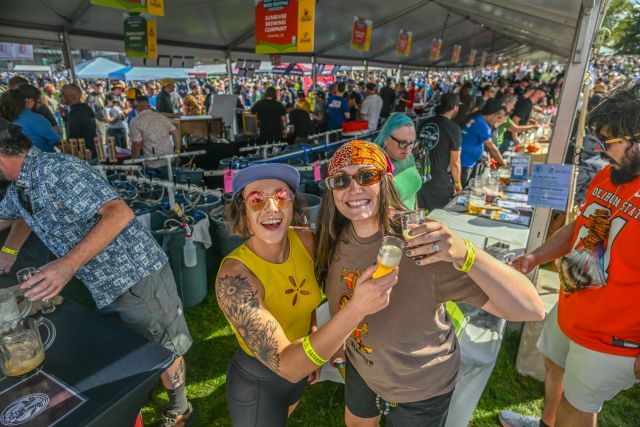
The world’s largest folk festival returns to Munich from September 19 through October 4, when millions of visitors will descend on the Theresienwiese for 16 days of beer, food, music, carnival rides and a celebration that has been evolving for more than two centuries.
And while the beer is obviously a huge part of what makes Oktoberfest, Oktoberfest, there’s a lot more going on in Munich than enormous beer tents and people wearing designer lederhosen.
It all started with a wedding.
The original Oktoberfest was held in 1810 to celebrate the marriage of Bavarian Crown Prince Ludwig, who would later become King Ludwig I, and Princess Therese of Saxony-Hildburghausen. The festivities culminated with a horse race held on a meadow outside the city gates.
The celebration proved popular enough to return, and that meadow became known as Theresienwiese in honor of the bride. Munich locals eventually shortened that mouthful to “Wiesn,” which remains the common Bavarian name for Oktoberfest today.
And ironically, but actually more strategically, Oktoberfest now takes place mostly in September.
Over the years the festival was moved forward on the calendar to take advantage of September’s generally better weather and longer days. So while Oktoberfest still finishes in October, most of the partying takes place before the month bearing its name even begins.
Then there’s the beer.
Not just any brewery gets to serve beer at Munich Oktoberfest. The festival’s beer comes from six traditional Munich breweries: Augustiner, Hacker-Pschorr, Hofbräu, Löwenbräu, Paulaner and Spaten.
And what Americans commonly call an Oktoberfest beer isn’t necessarily what you’ll be drinking in Munich.
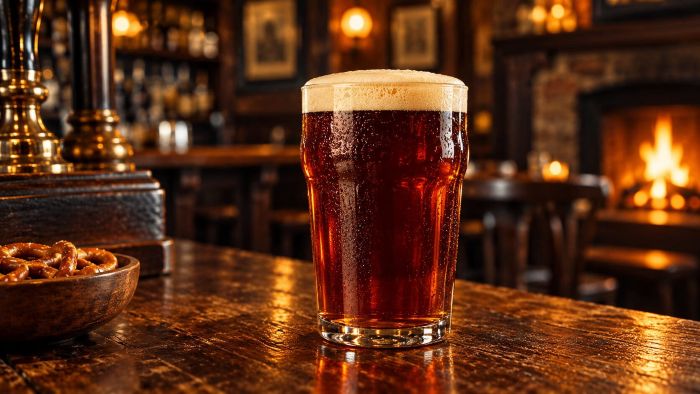
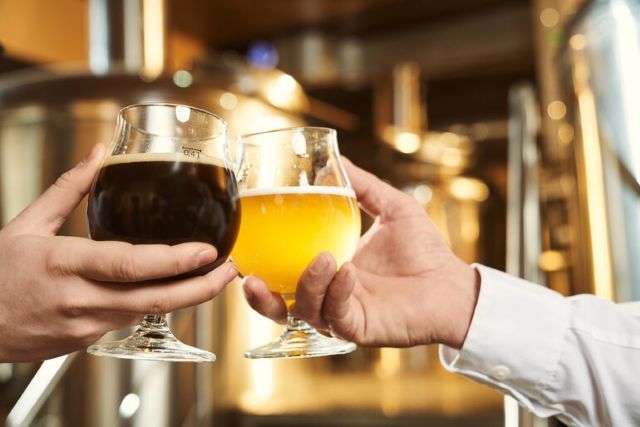
Historically, Oktoberfest became closely associated with Märzen, the darker, amber-colored lager many American craft breweries still release every fall. But modern Munich Oktoberfest beer is generally Festbier, a paler, smoother and dangerously drinkable lager typically hovering around 6% ABV.
Which means those enormous one-liter mugs aren’t exactly filled with light beer.
Beer doesn’t start flowing on opening day until Munich’s mayor makes it official.
At noon on September 19, Mayor Dominik Krause will tap the first keg in the Schottenhamel tent and announce “Ozapft is!” Only then can Oktoberfest beer begin and it doesn’t stop flowing for 16 days.
And there’s even a little competitive pressure involved in the Oktoberfest tapping. The number of hammer blows required to tap that first keg has become part of Oktoberfest lore. The record is two. Former Munich mayor Thomas Wimmer reportedly needed 17 when he inaugurated the modern tapping tradition in 1950, and it’s been up and down since then.
And Oktoberfest is no longer just about beer either.
Wine, sparkling wine and champagne are available at the festival, and Kufflers Weinzelt, better known simply as the Wine Tent, stays open later than most of the giant beer halls.
But the food remains a serious draw as wll.
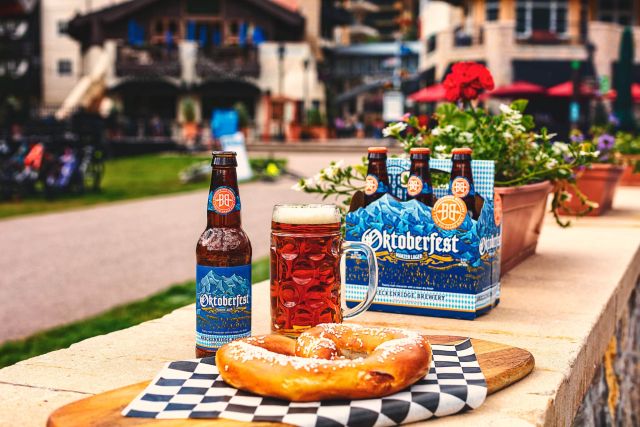
Bratwurst certainly has its place, but roast chicken, known as Wiesn-Hendl, is one of Oktoberfest’s signature foods. Of course, giant pretzels are everywhere, along with pork knuckles, sausages, roast duck, potato dishes and enough traditional Bavarian fare to make eating almost as important as drinking.
But that’s not all.
The Theresienwiese has evolved into an enormous fairground filled with amusement rides, games, food stands and attractions. There’s also the Oide Wiesn, or “Old Oktoberfest,” an area devoted to the festival’s historical roots with traditional rides, music and a decidedly old-school Bavarian atmosphere.
And families are very much part of the equation nowadays. Tuesdays are designated family days, and weekday mornings and early afternoons tend to be considerably more relaxed than evenings and weekends. Munich’s own 2026 visitor forecast lists several weekday mornings as relatively quiet while Saturdays can get seriously crowded.
Then there’s Oktoberfest’s legendary lost and found.
With millions of visitors, giant beer tents and 16 days of celebrating, people inevitably leave things behind. Wallets, phones, passports, clothing and jewelry are among the more predictable casualties, but sets of false teeth have turned up as well.
In fact, Munich has moved Oktoberfest’s Lost and Found Office to the nearby Deutsches Museum Verkehrszentrum for 2026, where a steady stream of celebration-addled owners will hopefully be reunited with their misplaced belongings.
It all starts this weekend, which helps explain why Oktoberfest in Munich is so difficult to duplicate.
They’ve been doing this for more than 200 years.
And that’s one hell of a head start.
###
While we’re at it there’s this.
Oktoberfest Beer And Festbier: What’s The Difference?
New Oktoberfest Beers For Fall 2026
Cooking With Beer: Sierra Nevada Oktoberfest Cheese & Pretzel Skillet
About the Author: American Craft Beer

Get Social
Join Our Newsletter