How to Host an Unconventional Craft Beer Game Night
How to Host an Unconventional Craft Beer Game Night
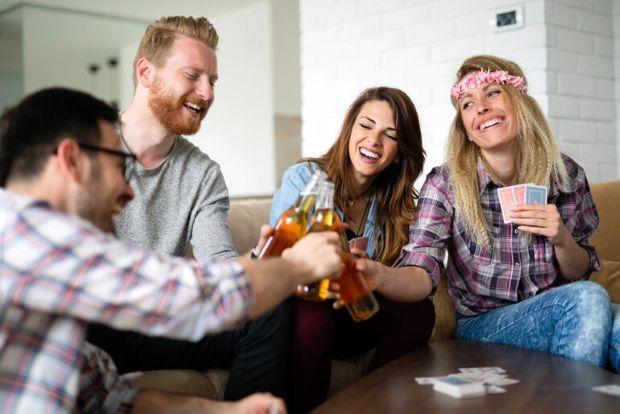
A real beer night also combines more than one game, thus replacing the trivia with a blind tasting, a vote in a bracket, and a light casino corner where anyone can sit through a tasting round without extra pours of beer and with a card or a cell phone in hand. There’s no need to do a big production of all that. A few games set up throughout an evening, and rotating so that no one is forced to do the same activity for three hours, can provide a nice pace for an evening.
Then a couple of judicious pours of beer add another natural and organic conversation point to the evening, not a formal tasting event, making an evening at home into something worth repeating each month. There is a natural pathway to casino corners, as there is no need for a large amount of money to enjoy a corner casino game for a while. Just check out the welcome offer at a reliable casino, and you will see that a modest deposit is enough to last between beer rounds without turning the night into an actual gambling session.
Make Blind Tasting the Centerpiece
Someone wraps a bottle in foil, or just pours it into a plain cup so the label stays hidden, and passes it around the table. From there it turns into an argument: a guess at the alcohol content first, then a stab at the general style, and if someone is feeling bold, a specific substyle to go with it. A tabletop game called Unlabeled runs its whole scoring system on this same idea, giving a real bump in points for naming the exact beer and brewery over a lucky style guess. None of that packaging is required to play, though. A notepad and a phone timer cover the same ground for free.
Score It Like the Pros
A simple point scale keeps the blind round from turning into an argument about who guessed close enough.
- Alcohol strength or fermentation type: One point for a fair guess on percentage or lager versus ale.
- General beer category: Two points for landing on pale ale, stout, or wheat beer.
- Specific beer type: Three points for going narrower, like oatmeal stout or witbier.
- Exact beer and brewery: Five points, the hardest to earn, for naming the actual can on the table.
One index card with these four lines covers an entire night, even if four people show up or the whole apartment building does.
Build a Style Ladder Instead of Random Picks
Six random beers poured in random order will wreck anyone’s palate by round three. Ordering the lineup by intensity fixes that.
A Sample Lineup That Works
Five rounds, arranged by intensity, keep every beer tasting true to its own character instead of picking up muddy flavors from the one before it.
- Light lager or pilsner: Clean and low-key, a fair baseline for the night.
- Wheat beer or session IPA: A little more character, still easy on the palate.
- Amber ale or brown ale: Malty and right in the middle of the pack.
- IPA or double IPA: Hop-forward and a real jump in strength.
- Stout or barleywine: Heavy, boozy, and clearly the closer.
Most groups tap out around five rounds. A determined crowd can push to six, but only with a food break wedged in the middle. You can even hand in a tray of beer cocktails to turn things into a different kind of contest, one built on assembly instead of guessing.
Add a Card Corner for a Change of Pace
A deck of cards or a phone propped in one corner gives guests something to do between pours besides scrolling. A quick hand of poker or a round of something similar usually holds someone’s attention for about ten minutes before the next flight pulls them back to the table. It works best tucked into a natural lull, right after one tasting round wraps up and before the next gets poured. Keep buy-ins small, a timer running, and the whole thing optional to make it feel like rotation, not a centerpiece.
Keep the Night Moving With a Simple Bracket
A single-elimination bracket keeps the group engaged well after the tasting cards get put away. Eight beers get seeded into matchups, creating a perfect pairing of competition and tasting. Players vote on which one they would actually order again, and the losers get cut round by round until one can or bottle is left standing as the house favorite.
Printable Bracket Basics
A workable bracket does not need fancy software, just a clear grid and a marker.
- Eight beer slots: Enough range for real variety without dragging the night out too long.
- One vote per matchup: Majority rules, and ties get settled by a quick re-pour.
- A final round showdown: Two survivors, one last vote, and the house favorite gets crowned.
A finished bracket taped to the fridge tends to outlive the party itself, becoming a running joke for weeks.
Few Small Details Worth Planning For
Pours should stay small, somewhere around four to five ounces a sample, so a six- or seven-round night never turns into an accidental binge. Plain crackers and water do more for the palate between rounds than anything flavored ever will. And don’t forget at least one non-alcoholic craft beer either: It’s a category all on its own now, and for anyone driving home or sitting the night out.
If a winner is announced early in the night from the blind round, the bracket, or the card corner, at least someone will have something to catch up on rather than having finished without him/her. Just a few beers, a scoring sheet, a no-pressure corner for the cards, and a crowd eager to battle it out over who wears the crown is all it takes to make an ordinary evening memorable.
About the Author: Beer Blog

Get Social
Join Our Newsletter