How to Build a Better Craft Beer Flight
How to Build a Better Craft Beer Flight
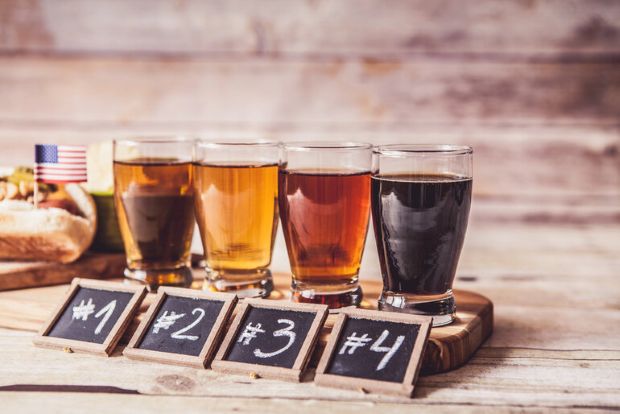
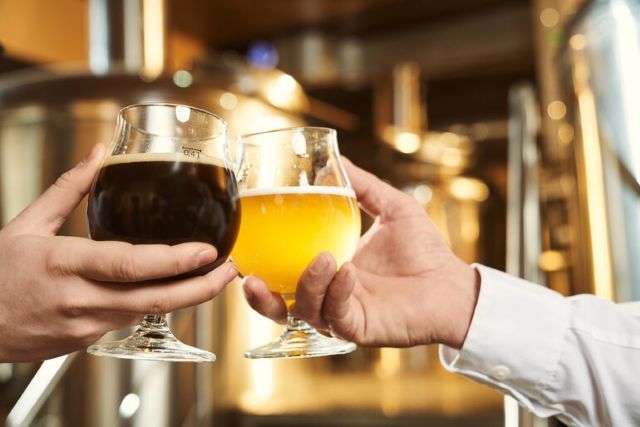
One good beer flight can teach you more, since a few pours will make the differences in your beers more apparent than one after another. The worth is in comparison. Beers are easier to perceive for aroma, bitterness, sweetness, body, carbonation, and finish when they are selected for a specific reason and consumed under the same conditions. This method will provide the brewer and the connoisseur with a more predictable method to distinguish minute differences, evaluate the recipe options, and appreciate the effects that small adjustments can have on the whole drinking experience.
However, sometimes a flight can be misleading too, such as when it’s in a random order or the first strong beer swamps out the rest of the brew. Outside of the taproom is the same as in the taproom: read the current information before you make your choice. On a Sunday evening, a fan may have a get-together, and a comparison may be made of these NFL odds on an established online sportsbook before kickoff, where spreads, moneylines, totals, player props, futures, same-game parlays, and live markets are gathered in one place. And then they return to the slower business of tasting what is in the glass.
Start With a Purpose Instead of Picking Four Random Beers
A useful flight begins before the first pour. Decide what you want to compare, then choose beers that answer that question. Four unrelated beers can be enjoyable, but they often produce isolated impressions instead of a useful lesson.
Choose One Variable to Compare
The easiest flights hold something constant while changing one main variable. You may compare three lagers produced in various traditions, four pale ales from different breweries, or many beers from breweries with the same hop type. This facilitates the explanation of discrepancies. It becomes more difficult to determine what generated the impression you experienced if every beer simultaneously varies in terms of alcohol, color, bitterness, fermentation flavor, and ingredients.
Useful flight themes include:
- One style from four breweries
- One brewery across four styles
- The same base style with different hop varieties
- Traditional and modern versions of one style
- Similar alcohol strength with different malt or fermentation profiles
A theme can be simple. Compare crisp, malt-focused, or fruit-driven beers. The goal is one question that each pour helps answer.
Keep the Total Pour Size Sensible
More beer does not automatically produce more useful information. Smaller pours encourage comparison and reduce the chance that the final sample is judged after your attention and palate have faded. There isn’t just one right flight size. Stronger beers often require smaller amounts, although a three-beer tasting can warrant bigger samples than a six-beer flight. Consider quantity, strength of alcohol, and time available. At home, pour into a mug to check the beer, take a few measured sips, and smell multiple times. Later, you can add more at any time. You don’t want to push the beer because it was served in the glass, and you don’t want to miss out on a tasting based on it.
Put the Beers in an Order That Protects Your Palate
The familiar advice to taste from light to dark is only a rough shortcut. Color does not measure sensory intensity. A pale double IPA can dominate a darker brown lager, while a tart fruit beer may change your expectations more aggressively than either.
Build the Sequence Around Sensory Intensity
It’s better to go from low impact to high impact. Start with low-impact beers, and gradually work your way up to stronger ones. This is because this slow introduction gives the taster the time to enjoy the development of tasting notes and to make more subtle notes over the duration of a flight.
| Flight position | Common examples | Why they often fit here |
| Early | Pilsner, helles, Kölsch, blonde ale | Cleaner profiles make subtle malt, hop, and fermentation notes easier to notice |
| Middle | Pale ale, amber ale, wheat beer, saison | More hop, malt, yeast, or spice character raises intensity |
| Late | IPA, porter, stout, strong Belgian ale | Higher bitterness, roast, alcohol, or aromatic intensity can linger |
| Separate or last | Sour beer, smoked beer, heavily fruited beer, barrel-aged beer | Acidity, smoke, fruit concentration, wood, and spirits can carry into the next sample |
This is a planning tool, not a quality ranking. A restrained dry stout could come before a heavily dry-hopped pale ale, while an aromatic wheat beer may move later than its color suggests.
Treat Strong Flavor Outliers Separately
Some of the beers leave a long lingering effect. The next beer might taste softer or sweeter due to the high acid content, or smoke may linger in the nose and mouth. Beers may be barrel-aged or flavored with fruit, spices, coffee, cocoa, or alcohol and impart strong oak, fruit, spice, or wine aromas. If one sample stands out as the most intense, taste that sample last or do a mini flight on that sample. The same is true for the delicate lagers vs the assertive IPAs. It is better to learn by preserving the stiller beers than to force all the samples into one set sequence.
Ensure that all Glassware, Temperature, and Palate Reset.
Once the sequence is solid, it’s serving time. No lab equipment is required, but it is important to not change more than one variable at a time. Many people find that a hotter, different glass of beer, or a beer after a big meal, tastes differently.
Keep Glassware Consistent for Direct Comparisons
Matching glasses are ideal when the purpose is direct comparison. They keep shape, rim, volume, and visual presentation more consistent from sample to sample. If every beer arrives in a different vessel, the glass itself becomes part of the experience. Glassware still matters. The discussion of how craft beer glassware can shape the drinking experience is useful when moving from controlled comparison to a full serving. Shape can affect aroma, foam, and delivery to the mouth. During the flight, consistency keeps attention on the beer.
Let Temperature Change Gradually and Reset the Palate
Very cold beer mutes some aromatic detail. Let it warm, and more aroma comes through, along with a clearer sense of alcohol and sweetness. Skip the hunt for one correct serving temperature. Start comparable beers at roughly the same point and let them warm on their own. Taste each sample when it arrives, then come back a few minutes later. Something that seemed closed often opens as it warms. Stronger beers tend to give more when you slow down. Water resets the palate better than anything else. Plain bread or unsalted crackers help when a flavor lingers, but anything heavily salted, sweet, spicy, or fatty brings its own effects. That’s useful for testing pairings, less so for a straight comparison.
Taste More Carefully Without Turning It Into Homework
A good flight should sharpen attention, not become a test. You do not need to identify every hop variety or aroma. The useful skill is noticing repeatable differences and describing them clearly.
Use the Same Tasting Routine for Every Glass
Consistency makes comparison easier. A simple routine keeps you from judging one beer mostly by aroma and another mostly by finish.
Try this order:
- Check the color, clarity, foam, and carbonation
- Sniff before you take your first sip, then swirl and smell again.
- A single sip, for sweetness, bitterness, acidity, and carbonation.
- Sip again, and look for body and texture, fermentation character, and warmth of alcohol.
- Look for and record any residue following swallowing, and the duration of retention.
- One quick comment before the next beer.
There is good reason to think beyond a single score. A 2026 craft beer sensory study began with 241 craft beer consumers and developed a framework containing 29 sensory properties, along with consumption situations and food pairing choices. The work reinforces a practical point for any flight: beer perception has several dimensions, so a short set of specific observations is more informative than simply rating a sample good or bad. Avoid long flavor descriptions before tasting when possible. Promised notes of mango, pine, biscuit, clove, or espresso can shape expectations. Taste first, write a few words, then compare them with the brewery description.
Separate Preference From Quality
A flight teaches the difference between disliking a beer and finding a fault in it. Maybe you want your bitterness soft rather than sharp, or smoke puts you off, or a yeast character keeps pulling your attention. This is information concerning your palate. It does not imply the brewer made any mistakes. Just remember to separate two questions: what am I learning, and do I enjoy it? By separating that, it’s easier to compare across styles, and you get an idea of what you’re drawn to again.
Patterns can be recorded on a small note sheet. Write down the type of beer, the beer style, the order in which it was served, 2-3 sensory observations, and your intention to order this beer again. You may find after a few flights that you’re more of a particular type of drinker or fan, maybe an IPA drinker or a lager fan.
Build a Flight That Gets Better From First Pour to Last
The best beer flights rely on three principles: contrast, beer quantity, and protection of delicate flavors from harsh ones. These tips for perfect flight can help ensure that water and intermittent samples do not allow one beer to swamp the other, while consistent glassware and serving conditions aid in comparison. Above all, take your time.
A flight is effective because it can reduce your alcohol intake while turning a variety of small pours into one focused tasting experience. Choose a subject, sample each beer by its own set of criteria, draw distinctions, and then end when you begin to lose interest. In this way, each flight will help you gain a better understanding of your palate, as well as the flavors, aromas, and styles that excel in the glass.
About the Author: Beer Blog

Get Social
Join Our Newsletter