How Draft System Design Can Affect the Quality of Your Craft Beer
How Draft System Design Can Affect the Quality of Your Craft Beer
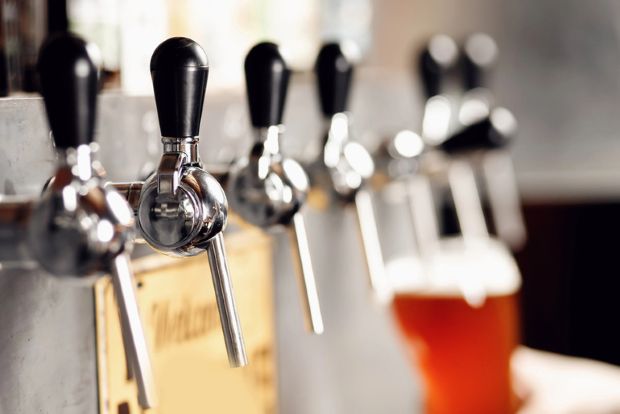
Lovely beer pours from the keg as the brewer designed it, but has a warm, flat,t or under-headspace appearance when it is introduced to the tap. Breweries and draft suppliers are striving for people to really experience the beer they create, and that’s not just about the beer itself, especially as it is used in pubs and anything else that is actually in a pub. If the system and all components are not properly designed, the final pour can be negated, and the customer will receive less than a pint of fun.
All the components, distance from keg to line, pressure and temperature, and even whether or not it is installed from the keg to the faucet are all important. The most important thing is a good setup that will ensure the preservation of flavor and bubbles, and easy consistency from customer to customer.
Maintaining a Stable Temperature From Keg to Tap
Temperature changes can force dissolved carbon dioxide out of the beer, creating excessive foam and weakening carbonation. This uniform cooling promotes a consistent taste, aroma, and mouthfeel in every pour.
Maintain the temperature of the cooler between +34°F and +36°F and the glycol power pack (+29°F). For any bar owner or restaurant owner, it’s essential to set those goals and ensure that those goals help reduce temperature variations before they become a troublesome concern to everyone or a cost-losing worry for the restaurant.
Care should be taken with long-draw systems, where the beer can be carried a good distance outside the cooler.
Therefore, many restaurants and bars turn to providers that can design a custom glycol beer system to keep beer at a consistent temperature as it travels through draft lines.
Matching Line Length to the Layout
Liquid resistance through beer lines as it flows towards the faucet. Blend lines aren’t supposed to be too long or short, or rows of them run down or up, because the resulting pours will be too slow and channeled incorrectly.
With good design, you will consider the distance from keg to faucet, the size of tubing, vertical rise, and all fittings in the path. Every factor affects the amount of resistance that the beer will have. Having a well-planned line route has several advantages:
- Easy and reliable pours in high service volume. Quality pours under high traffic conditions.
- Improved faucet carbonation.Enhanced faucet carbonation.
- Less beer is lost due to foam.
Typical direct-draw systems require shorter lines than those powered by a remote walk-in cooler. A good design from the start prevents the need to make ad hoc changes which may compromise quality or make future maintenance more cumbersome.
Balancing Gas Pressure for Consistent Carbonation
Gas pressure must preserve the brewer’s carbonation level while moving beer through the system at a controlled rate. Over-carbonating beer over a period of time can cause excessive pressure, and under-carbonating can allow the carbon dioxide to escape from the beer.
Pressure will likely vary with beer style for each draft line, storage temperature, elevation, and system resistance. Applying one pressure setting to every keg can leave highly carbonated styles pouring differently from stouts, lagers, or lower-carbonation ales.
Gas selection also matters in long-draw installations. A blended gas can provide enough force to move beer over longer distances without adding more carbon dioxide than the beer can hold, protecting both mouthfeel and flavor.
Making Cleaning Easier
If residue ever builds up in the bottom of the lines of a balanced, temperature-controlled job, it causes deterioration in the beer’s quality. Sourness, butter flavors, or other objectionable flavors can be caused by yeast, minerals, or organic material.
Regular cleaning is easier and quicker with accessible couplers, faucets, fittings and lines. Clumpy layouts can lead to hurried upkeep or to parts where buildup could go unnoticed.
In a VinePair interview with beer consultant Christopher McClellan, it’s stated that most draft systems need recirculating cleaning every two weeks and deeper acidic cleaning each quarter. Remember: clean lines preserve flavor, aroma, and clarity.
Protect Craft Beer Quality With Better Draft System Design
Thoughtful draft system design protects the time, ingredients, and skill invested in every keg. Stable cooling, balanced pressure, appropriate line length, and accessible components help bars serve craft beer with dependable flavor and carbonation. Hopefully this article has been helpful! If that is the case, be sure to explore some of our related content.
About the Author: Beer Blog