Beer Buzz vs. Cannabis Buzz: What’s The Difference?
Beer Buzz vs. Cannabis Buzz: What’s The Difference?
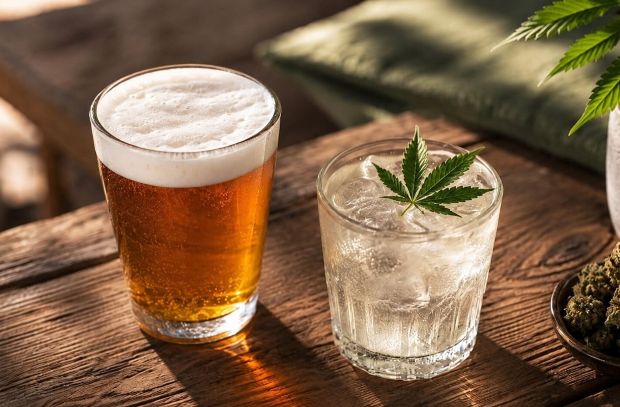
There was a time when taking the edge off a long day at work was pretty straightforward.
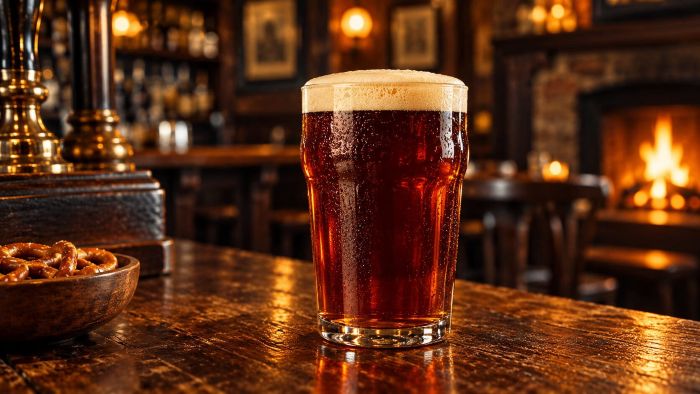
You had a beer.
Today, the beverage aisle is getting considerably more complicated. THC-infused seltzers and other cannabis drinks are now part of the conversation, promising something beer has delivered for centuries: relaxation, a little mood alteration and maybe a more interesting evening.
But a cannabis buzz isn’t just a beer buzz without the hops.
The two drinks may increasingly compete for the same occasion, but alcohol and THC affect the body differently, and the experience can be very different as well.
Beer, at least for us, has familiarity on its side.
Most experienced beer drinkers have a reasonably good idea where they stand after one 5% ABV lager, and probably after two. Alcohol is absorbed relatively quickly, although how strongly and how quickly someone feels it varies with body size, food, drinking speed, alcohol content and other factors.
Then there’s the character of the buzz itself.
Alcohol tends to lower inhibitions, which helps explain beer’s centuries-old relationship with almost every other situation where humans gather together and get louder as the evening progresses.
A couple beers might leave someone relaxed and more talkative. Several beers later and that pleasant buzz can turn into impaired judgment, coordination problems and altered decision-making.
But unlike cannabis beverages, beer comes with one enormous downside.
The hangover.
THC beverages approach the same basic drinking occasion from another direction.
Cannabinoids such as THC don’t naturally dissolve well in water, which historically made cannabis beverages a technological challenge. Many newer products use emulsification technologies that break cannabis extracts into extremely small droplets that can disperse more effectively in a liquid.
That’s helped create a generation of THC drinks marketed as “fast acting,” with some designed to produce noticeable effects much sooner than traditional cannabis edibles. Research examining THC beverages notes that many are marketed as taking effect in roughly 15 minutes, although the actual experience can vary considerably from person to person.
And that’s an important distinction.
You can’t reliably translate milligrams of THC into bottles of beer.
A 5-milligram THC beverage isn’t simply the cannabis equivalent of a 5% ABV lager. THC tolerance varies enormously, and factors including previous cannabis experience, dose, biology, other substances being consumed and even what someone has eaten can influence the experience.
For some consumers, a low-dose THC drink can feel subtle and relaxing. Others may experience considerably stronger intoxication from the same amount. Too much THC can also bring anxiety, paranoia, confusion, nausea and an increased heart rate, which is considerably less chill than promised.
And cannabis beverages aren’t necessarily hangover-free either. They don’t produce an alcohol hangover in the traditional sense, but THC can leave some users feeling tired, foggy or otherwise less clear-headed afterward, particularly at higher doses.
Then there’s another important difference.
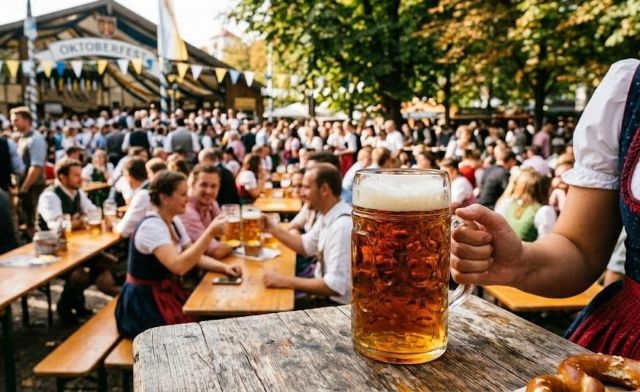
Beer is built for repetition. You meet someone for a beer, and more often than not, one becomes two. It’s part of the social rhythm that has surrounded beer for generations.
THC beverages don’t necessarily work that way.
Because cannabis drinks can take longer to fully announce themselves, drinking a second one too quickly can turn what was supposed to be a mellow evening into something considerably more intense. Federal health officials caution that cannabis-infused foods and beverages can have delayed and sometimes unpredictable effects.
And neither drink gets a free pass when it comes to impairment.
THC affects attention, decision-making, coordination and reaction time. Alcohol does too. So swapping a beer for a cannabis beverage doesn’t suddenly make driving home a good idea.
Then there’s the increasingly tempting option of drinking both.
Don’t.
Combining cannabis and alcohol can produce greater impairment than using either alone, according to the Centers for Disease Control and Prevention. In other words, the beer buzz and cannabis buzz don’t necessarily cancel each other out. They can pile on top of one another.
So which delivers the better buzz?
That’s probably the wrong question.
Beer remains uniquely suited to the social occasions that have surrounded it for generations. There’s a reason breweries, beer halls, pubs and taprooms exist. Beer isn’t simply an intoxicant. It’s part beverage, part ritual and part social infrastructure.
Beer drinking can be more of an outgoing experience, while cannabis beverages can be much more interior.
In the end, the beer vs. cannabis discussion isn’t necessarily about which buzz is better.
It’s about the vibe you’re chasing.
For generations, beer practically owned that moment.
It doesn’t anymore.
###
And while we’re at it, there’s this…
“Total Wine & More” Selling Cannabis Drinks
The Beer Institute Weighs In On Cannabis Products
Does Drinking Cannabis Beverages Count As Abstinence During Dry January?
About the Author: American Craft Beer

Get Social
Join Our Newsletter